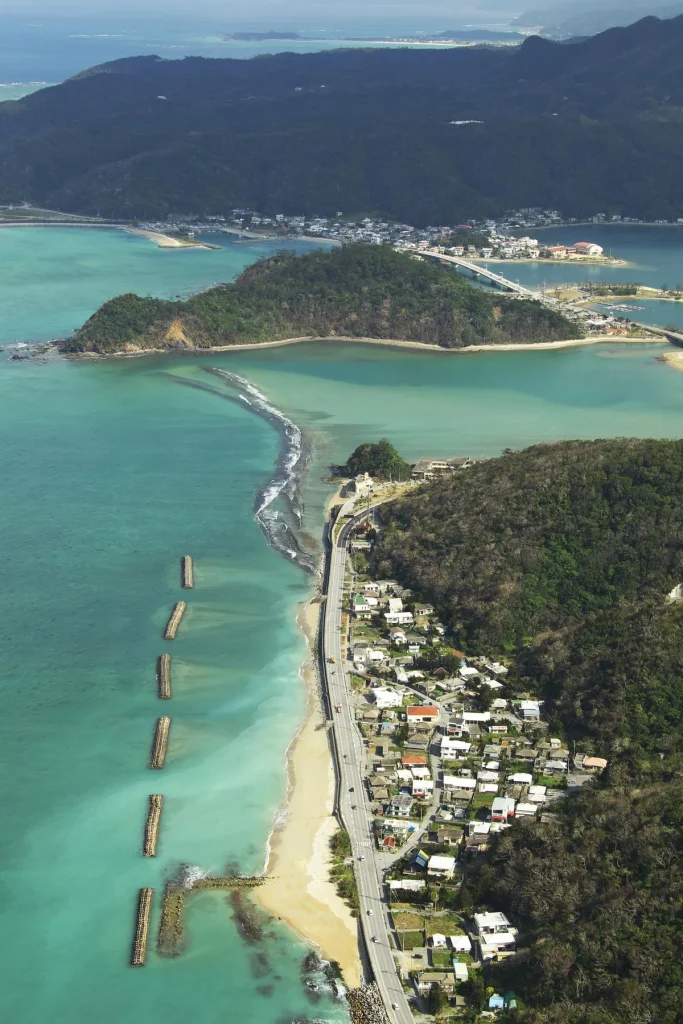
The air is heavy, but the skies are clear on a July afternoon in Okinawa, Japan’s southernmost and westernmost prefecture: a tropical paradise, a globally recognised ‘blue zone’, and home to some of the people who have lived the longest. It has been only a day or two since Typhoon Bavi churned its waters and toppled trees. But Okinawans believe typhoons are not merely inevitable; they are essential.
“It cleanses our seas,” says Hisami Takayama, 62, who has worked as a travel guide in the region for several years.
Step-by-Step Instructions
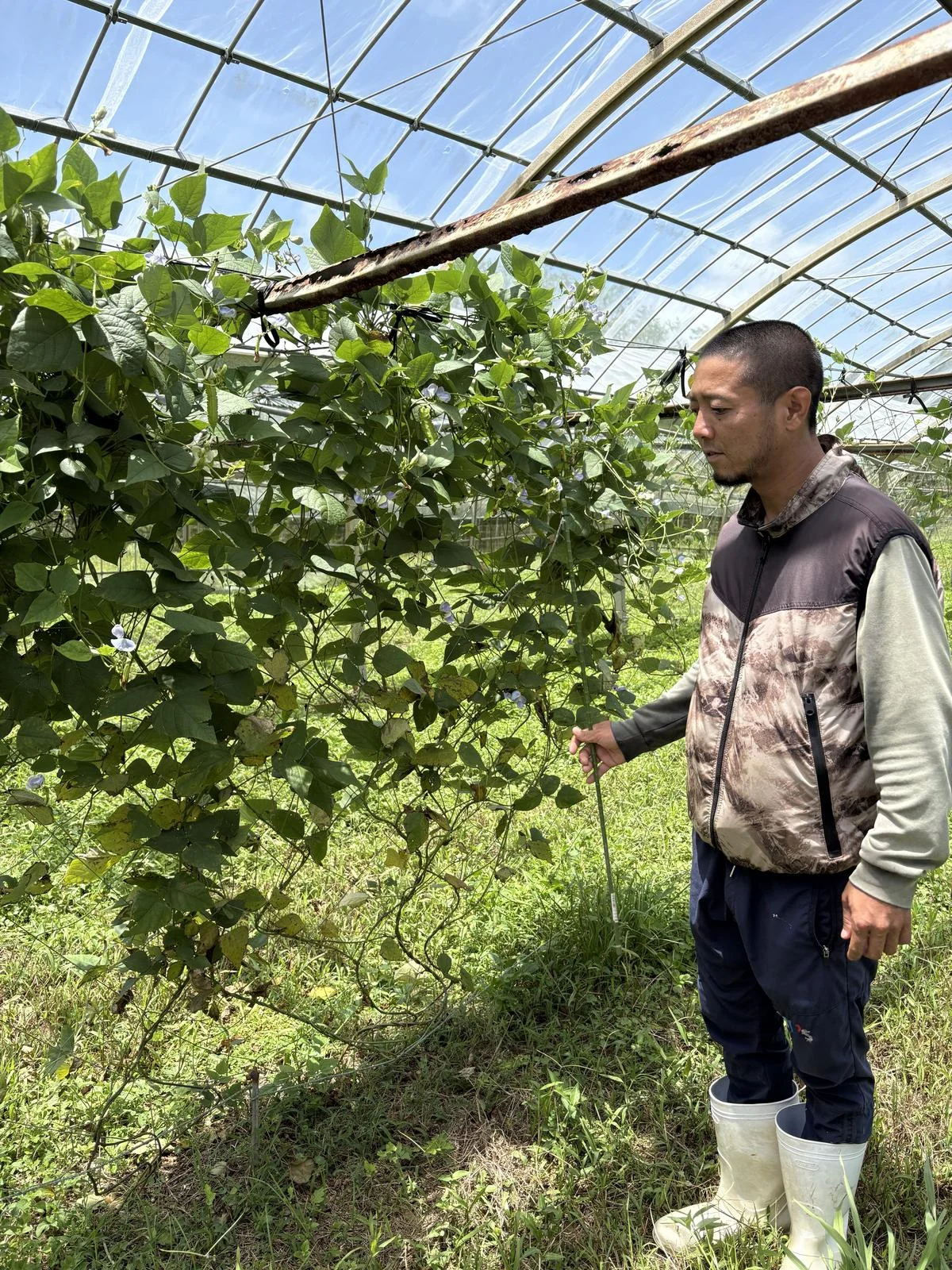
Home to an unusually large number of octogenarians, nonagenarians, and centenarians, Ogimi is a lush landscape dotted with small farms where residents grow much of their own food. Here, people live with a strong sense of purpose, or ikigai – a word many of us became familiar with through the acclaimed self-help book – while embracing a certain slowness unique to the region, starkly different from the bustling city life of Tokyo. An Ogimi table makes the best use of whatever is grown in the village during that particular season. Their diet is especially rich in green and yellow vegetables, including bitter gourd, mugwort, and handama. They also consume protein-rich island tofu. Purple sweet potato, which is rich in antioxidants, is a staple ingredient in many of their dishes.
Morio Taira, 91, eats about three meals a day – meat, lots of vegetables, and fruits, whether they are bitter, sour, or sweet.
A local specialty fruit, shikwasa lemon, is used abundantly; it is believed to be high in nobiletin, a compound that may support cognitive function and help manage glucose levels, according to some studies.