
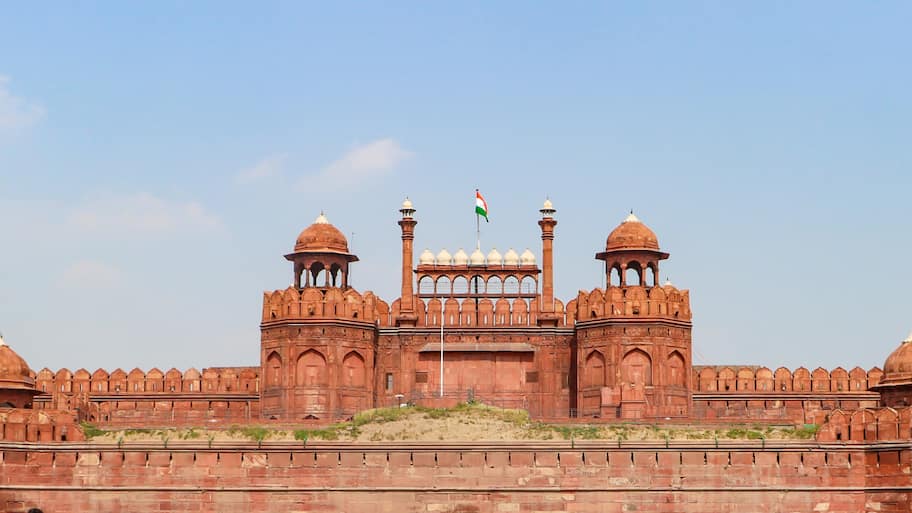
As India celebrates the 80th year of its independence, let’s look back at how India’s freedom struggle was not fought only in major cities or led by well-known national leaders. In several villages and districts, ordinary farmers, workers and local residents rose against British rule and, for brief periods, challenged or even replaced the colonial administration.
Local Resistance Movements in India’s Freedom Struggle
On March 8, 1943, five freedom fighters were executed, and 41 others received life sentences, marking a significant yet often overlooked moment in India’s struggle for independence. These events are emblematic of the localized rebellions that formed crucial, though lesser-known, chapters in the broader narrative of the freedom movement.
The stories from regions like Esuru, Ballia, and Satara illustrate how resistance against British colonial rule permeated rural areas. Farmers, workers, and local communities actively engaged in these movements, demonstrating a grassroots commitment to challenging oppression.
These local uprisings were not uniform; they varied in duration and scale, reflecting the diverse experiences and struggles across the country. Collectively, they highlight an essential aspect of India’s freedom movement: the contribution of countless local acts of defiance that often remain outside the mainstream historical accounts.
