
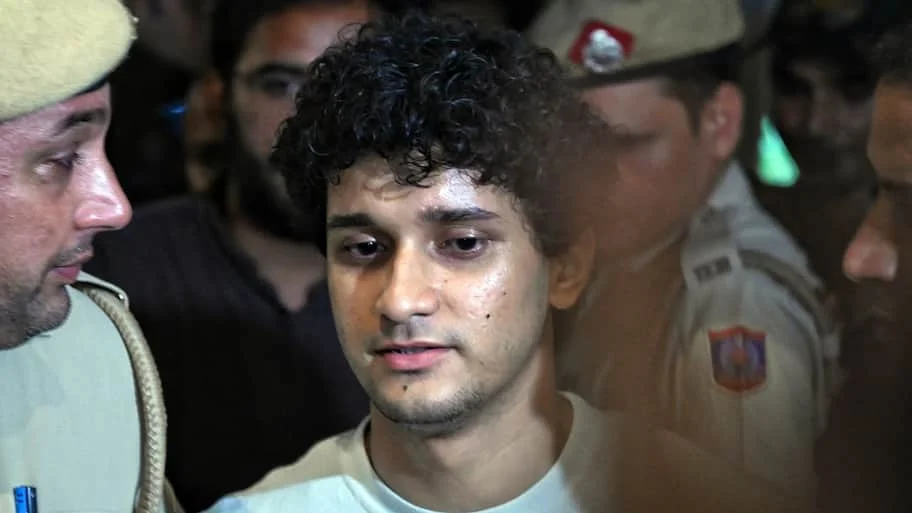
Saurav Das, co-convenor of the Cockroach Janta Party (CJP), expressed concerns on Sunday regarding the accountability of Parliament. His remarks followed the disallowance of three sets of questions related to student protests and the NEET-UG 2026 examination during the recent Lok Sabha session. This decision was made based on recommendations from the Union government, prompting criticism from Das about the transparency and responsiveness of the parliamentary process.
The agitation gained significant attention after the CJP demanded accountability over alleged examination irregularities and called for the resignation of then Union Education Minister Dharmendra Pradhan. The protests continued for several weeks at Delhi’s Jantar Mantar before the organisation announced the withdrawal of its nationwide agitation on July 25 following negotiations and developments involving the government.
In a post on X, Das emphasised that Question Hour serves as a fundamental pillar of democratic governance, questioning why Home Minister Amit Shah did not address Parliament directly regarding police actions during the weeks of protest. “ALARMING. During the recently concluded Lok Sabha session, three sets of questions concerning the Cockroach Janta Party-led youth protests were DISALLOWED on the Union government’s behest. Lok Sabha MP Matheswaran V.S. had sought answers from the Union Home Ministry and the Union Education Ministry through three sets of questions (Notice Reference Nos. “If these questions cannot be asked in Parliament, where exactly is the Government supposed to be held accountable? Through protests? Why did Home Minister Amit Shah not come before Parliament during those crucial weeks and answer questions concerning the police action against protesters?” he added. The controversy comes at a time when the CJP continues to position itself as a youth-focused movement challenging the government’s handling of education, examinations and the treatment of protesters.
101799 and 101801),” he said. The disallowed questions aimed to address critical issues including refunds for NEET-UG 2026 candidates, paper leak concerns, denial of basic amenities like water to protesters in Delhi, and the government’s handling of peaceful youth demonstrations. “Look at what Parliament was being asked to seek answers on: 1. Refund of application fees for NEET-UG 2026 2. Growing public distrust in the government 3. Denial of drinking water and sanitation facilities to CJP protesters in Delhi 4. The government’s engagement with protesting students and youth 5. Student welfare, paper leaks and education reforms 6. The treatment of citizens exercising their fundamental right to peaceful protest Yet, these questions were disallowed citing Rule 41(2), including clauses (i), (iv), (v), (xviii) and (xxii).
Very bizarre justifications for perfectly legitimate questions,” said the CJP leader. Earlier reporting noted: ‘Can’t gag Parliament or ignore youth’: CJP’s Saurav Das slams disallowing of questions on NEET protests in Lok Sabha Cockroach Janta Party chief spokesperson Saurav Das on Sunday criticised the disallowing of questions related to NEET and students’ protest in the Lok Sabha, saying they were “perfectly legitimate”. Earlier reporting noted: Das claimed that the three sets of questions had been blocked “at the behest of the Union government”, adding that these pertained to NEET application fees’ refund, and denial of basic amenities to CJP protesters during the Jantar Mantar agitation. Earlier reporting noted: The CJP co-convenor further asked where the government should be “held accountable”, also questioning Union home minister Amit Shah’s absence from the Parliament sessions.
Das has previously rejected government invitations for talks at a minister’s residence, arguing that discussions should take place at a neutral public venue.
