
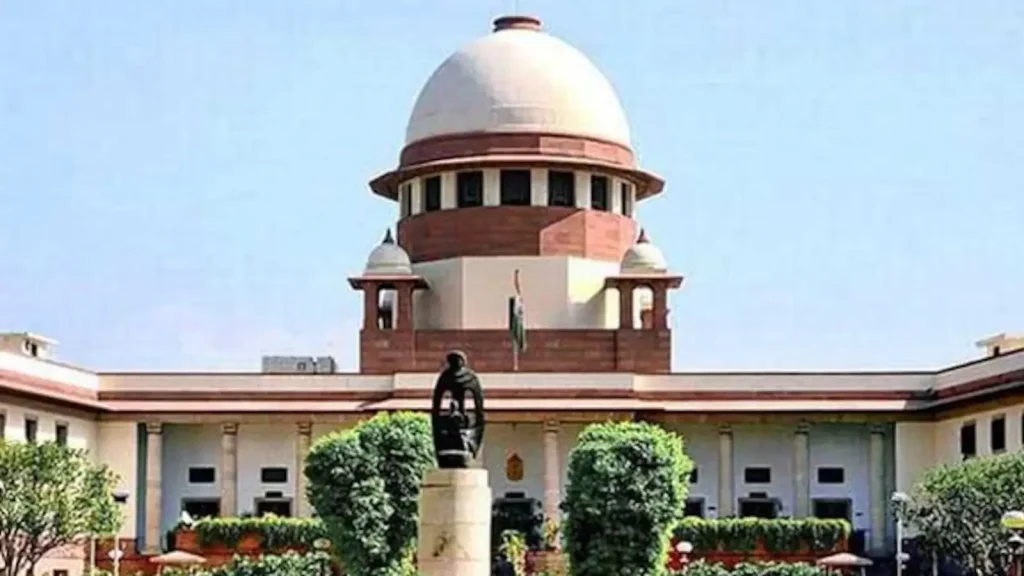
The Supreme Court has held that a superior’s stern behaviour, ordinary administrative directions, disciplinary supervision or adverse remarks about a junior’s performance cannot, by themselves, form the basis for a conviction for abetment of suicide.
The top court said that no matter how unpleasant a superior’s actions may have been perceived by the dead person, they do not automatically constitute an offence of abetment of suicide.
Vinod Shivakumar, then Deputy Conservator of Forests, had approached the Supreme Court against the Bombay High Court’s refusal to interfere with criminal proceedings against him. Discharging a senior forest officer accused of abetting the suicide of a woman forest range officer, the court observed that “criminal liability under Section 306 of the Indian Penal Code (abetment to suicide) cannot rest on the tragic outcome alone and it must be founded upon the statutory ingredients of Section 306, which are absent in the present case.
The Supreme Court set aside the orders of the High Court and trial court and discharged Shivakumar from the case.
