
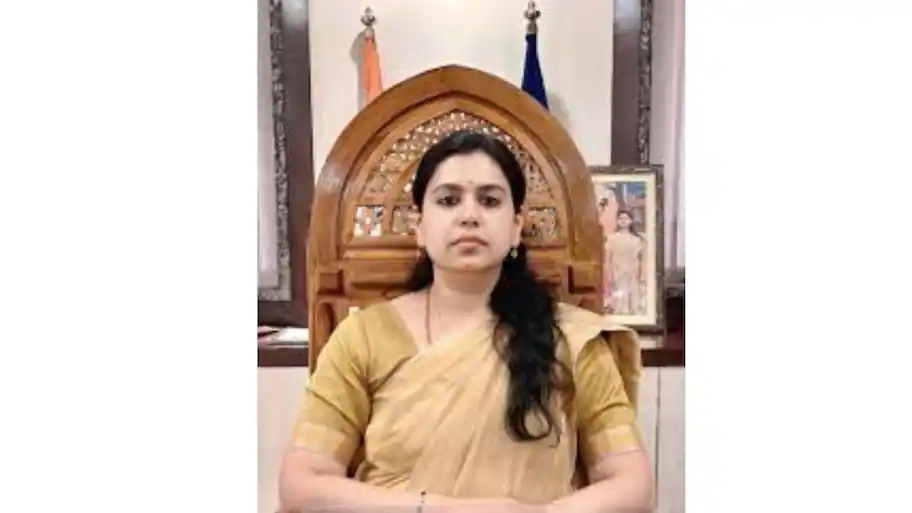
When Divya Mittal an IIT Delhi and IIM Bangalore graduate, former JPMorgan associate in London, and 2013-batch IAS officer of the Uttar Pradesh cadre announced her resignation on Sunday, the reaction followed a familiar script.
The IFS has seen the fewest departures, with the Ministry of External Affairs telling the Rajya Sabha that only three IFS officers took voluntary retirement in the preceding five years. Some officers have moved into entrepreneurship; others, like former IPS officer A.N. Singh, have built long corporate careers, in his case rising to Deputy Managing Director at Tata Steel before a further transition. Mittal, notably, has not disclosed her next move, leaving open whether she is headed for the private sector, public policy work, or something else entirely.
Government data shared in Parliament shows that roughly 300 officers resigned or took voluntary retirement from the IAS, IPS and IFS combined over more than three decades, between 1995 and 2025. Even accounting for undercounting, that puts the exit rate at a little over 4 percent of the total cadre strength a fraction of the attrition typically seen in the corporate world. The comparatively more porous service turns out to be the Indian Revenue Service, not the IAS: 853 IRS officers resigned or opted for voluntary retirement between 2014 and 2024, according to a government reply in the Lok Sabha, split roughly between the Income Tax and Customs wings.
There is also a structural nuance that gets lost in the coverage: a meaningful share of “exits” from one service are actually lateral moves within the civil services ecosystem, such as IPS officers later qualifying for the IAS through the same examination cycle, rather than officers leaving government altogether.
