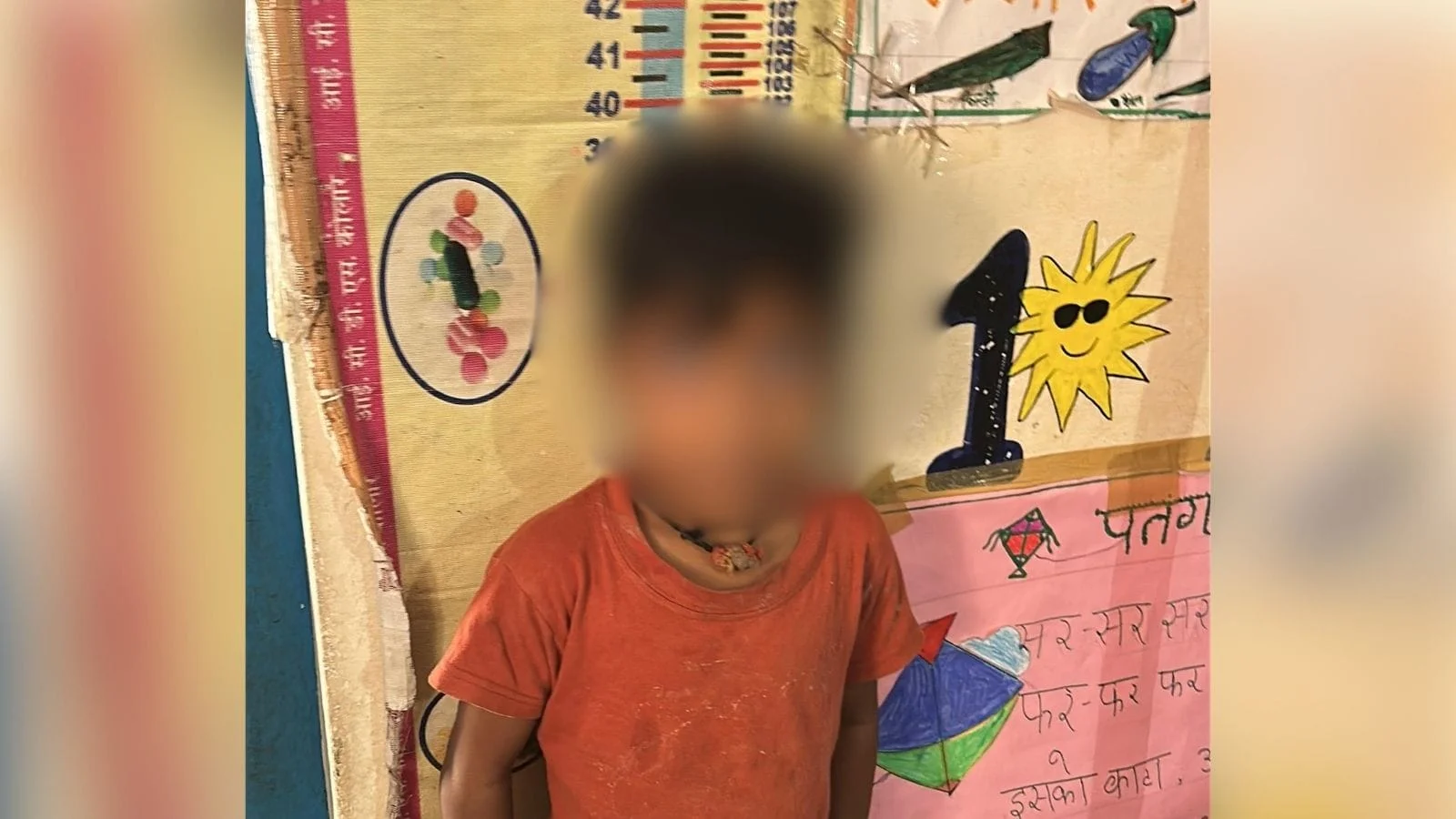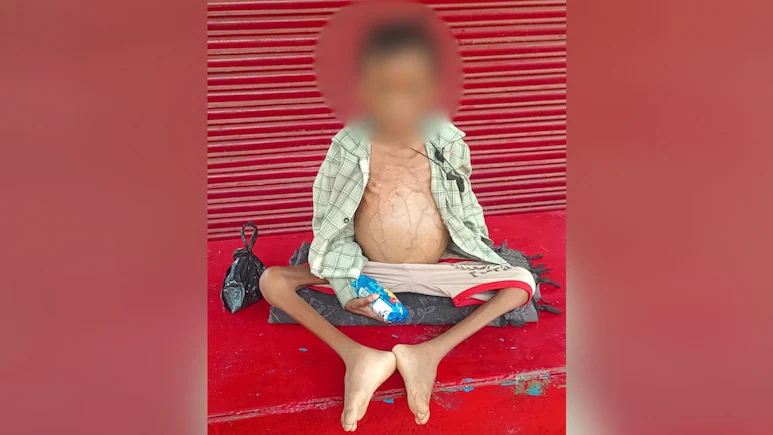
They could not save him. Sanam, a tribal child from Narwar-25 village in Umaria district’s Karkeli block, died after what his parents described as a prolonged struggle with severe undernutrition and poor health.
Seven-year-old Sanam Baiga was so weak that he could barely walk or stand on his own, according to his father. His family says they took him for treatment to Umaria, Shahdol, Katni and Jabalpur in Madhya Pradesh.
After 7-Year-Old Child’s Death In Madhya Pradesh, Family’s Malnutrition Charge
His family alleged that despite his condition, neither the Anganwadi system nor the health department regularly monitored him or ensured that nutritional support reached him. The district administration has ordered an inquiry. “My child was seven years old. “He was malnourished, very weak and could not stand on his own. “My child was very weak. No one came from the Anganwadi or the Health Department. We never even got nutritional food.
He was very weak and could not walk properly, but no department took care of him,” his father Amritlal Baiga told NDTV. I took him to Umaria, Shahdol, Katni and Jabalpur, but I could not save him,” he said. Sanam’s mother, Lakshmi Baiga, said the family had to arrange treatment themselves. We got all the treatment ourselves,” she told NDTV. Officials had visited after Sanam’s birth, but there was no sustained monitoring of his deteriorating health later, according to the family. Bandhavgarh sub-divisional magistrate Ambikesh Singh said the administration had come to know of the case and would investigate it immediately.
But the interaction of this scheme with another flagship programme has created a separate issue. Sanam’s death comes amid deteriorating child-nutrition indicators in Madhya Pradesh. At the same time, all seven state-linked plants producing supplementary nutrition for districts including Rewa, Sagar, Dewas, Shivpuri and Narmadapuram have faced shutdowns amid losses, while the transition to a new supply arrangement has added uncertainty to the delivery chain. Sanam is not the first severely underweight child whose death has put the nutrition-monitoring system under scrutiny. Supriyanshi was registered on the government’s Poshan Tracker. She too had been identified during a government campaign and was registered on the Poshan Tracker.
Because they receive the Rs 1,500 Aahar Anudan payment, as a result, more than three lakh women belonging to Baiga, Bharia and Sahariya communities who would otherwise fall within the Ladli Behna framework remain outside it. Nearly 88 per cent therefore do not receive the minimum combination of food frequency and dietary diversity considered adequate for their age. Under Rule 4.4 of the Ladli Behna scheme, a woman receiving Rs 1,500 or more per month under another social-security programme is not eligible for Ladli Behna assistance. 39.7 per cent of children under five are underweight, compared with 33 per cent earlier, according to NFHS-6 data. The proportion of children suffering from wasting has increased from 18.9 per cent to 23.8 per cent, while 31.4 per cent are stunted. Put simply, around four in every 10 children under five in Madhya Pradesh are underweight, while almost one in four suffers from wasting. Only 12 per cent of children between six and 23 months receive a minimum acceptable diet. In April 2026, four-month-old Supriyanshi died in Satna district’s Majhgawan block. She weighed just 2.86 kg. Her twin brother, Naitik, also weighed less than 3 kg. In August 2025, 15-month-old Divyanshi died in Shivpuri. At the time of her death, she weighed only 3.7 kg and had a haemoglobin level of 7.4 grams, indicating severe anaemia.
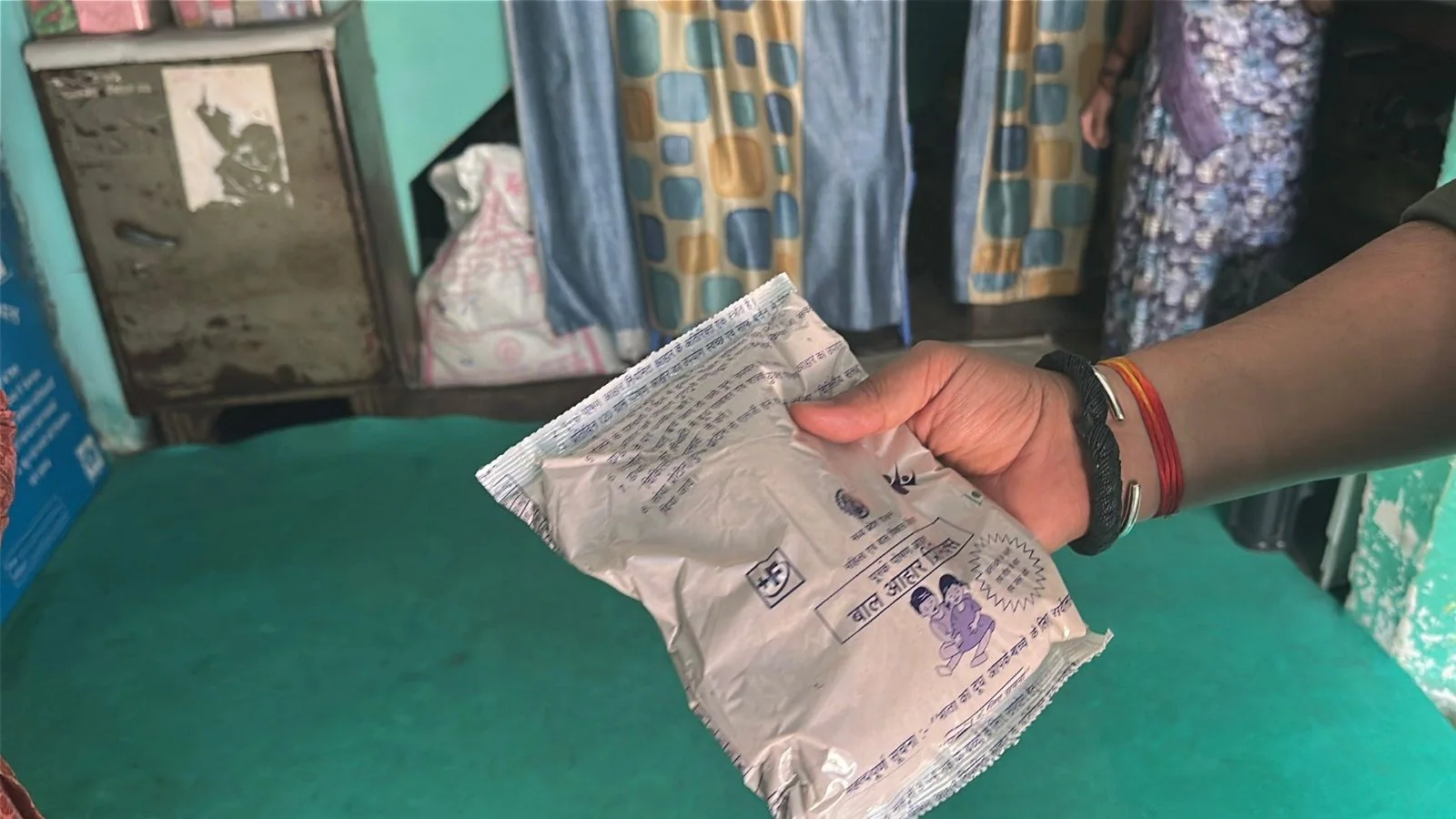
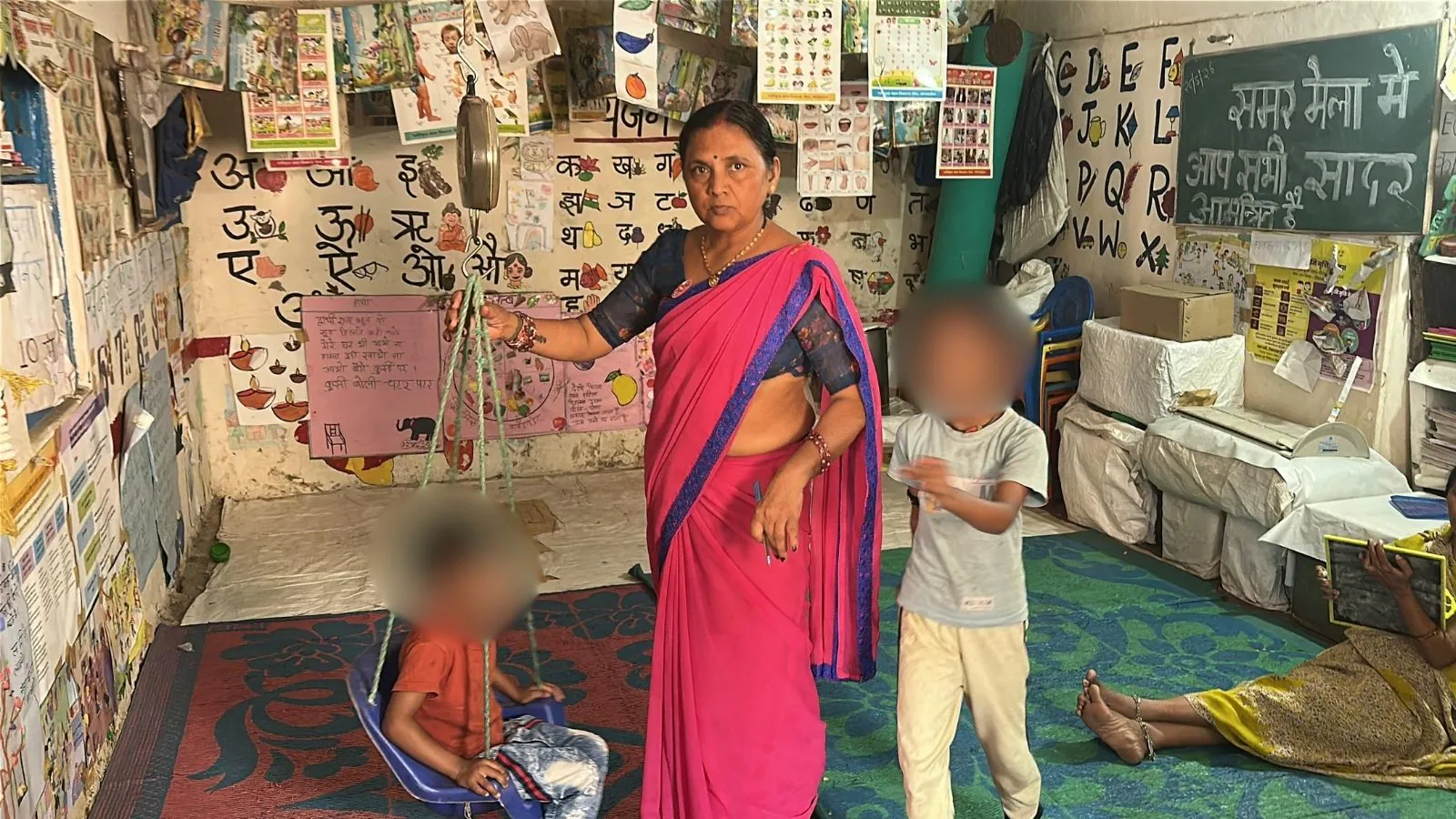
Their names continued to appear on government applications and their records were updated. Similar gaps were reported from other centres surveyed by NDTV. “This has come to our notice through you. An NDTV investigation across Bhopal, Sagar, Vidisha and Agar-Malwa also found Take-Home Ration supplies disrupted for periods ranging from one to three months at several centres. Children, pregnant women and lactating mothers remained registered. Women and Child Development Minister Nirmala Bhuria acknowledged problems in the supply system. “Yes, there have been some issues. Sanam belonged to the Baiga community, one of Madhya Pradesh’s particularly vulnerable tribal groups or PVTG. Around six months before Supriyanshi’s death, four-month-old Hussain Raza died in Satna. He was suffering from pneumonia and was severely underweight. Under the Take-Home Ration programme, children between six months and three years are entitled every month to two packets of halwa premix, one packet of child food supplement and one packet of khichdi. Pregnant and lactating women are entitled to two packets of wheat-soy barfi, one packet of wheat and gram-flour mix and one packet of khichdi. But supply interruptions documented at Anganwadi centres are not the first questions raised over the programme. The findings triggered protests and a political uproar in the Madhya Pradesh assembly. The transport discrepancies and audit findings were already on record. Yet NDTV’s latest ground investigation found Anganwadi workers in several districts again reporting that ration supplies had failed to arrive regularly. “We received the stock in April and distributed it during April and May. It did not arrive in May and June.
Under the Centre’s Mission Saksham Anganwadi and Poshan 2.0, pregnant and lactating women and children below six years are supposed to receive supplementary nutrition for at least 300 days in a year. Madhya Pradesh has nearly 97,882 sanctioned Anganwadi centres under 453 Child Development Projects, covering around 8.5 million registered beneficiaries. But according to data reviewed during NDTV’s investigation, against the 300-day requirement, the state’s roughly 97,000 Anganwadi centres had received regular nutrition supplies for only around 170. Since 2017, women heading families belonging to the Baiga, Bharia and Sahariya communities have been covered under the state’s Aahar Anudan Yojana, introduced with the stated objective of tackling malnutrition among these communities. The monthly assistance, initially Rs 1,000, is now Rs 1,500. The government’s scheme portal confirms that the programme began in December 2017, while the state has subsequently increased the assistance to Rs 1,500. His birth weight was reportedly around 3 kg, but when he was brought to hospital four months later, his weight had fallen to just 2.5 kg. The state spends approximately Rs 8 per day on a malnourished child and Rs 12 per day on a severely malnourished child. For pregnant women, the nutritional provision works out to around Rs 9.50 a day for roughly 20 grams of protein. Madhya Pradesh’s nutrition delivery system is estimated to be worth nearly Rs 1,200 crore. In 2022, an NDTV investigation found that registration numbers of vehicles shown in official records as transporting nutrition supplies belonged, in several instances, to motorcycles, autorickshaws and tankers. Questions were raised over the transportation and distribution of nearly 400 tonnes of ration. Two years later, the Comptroller and Auditor General flagged irregularities of approximately Rs 428 crore between 2018 and 2021, covering issues including beneficiary identification, production, transportation and distribution.
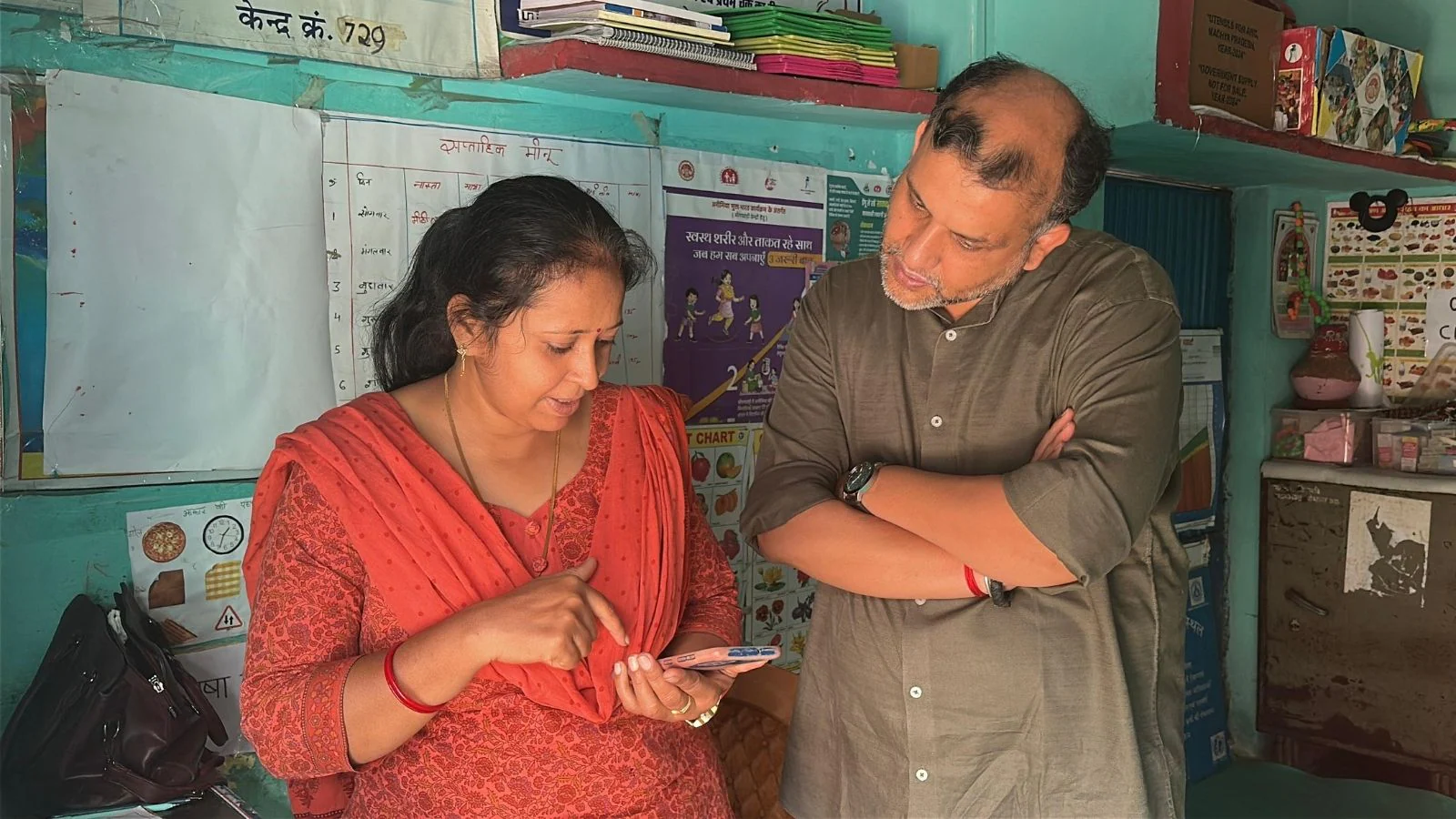
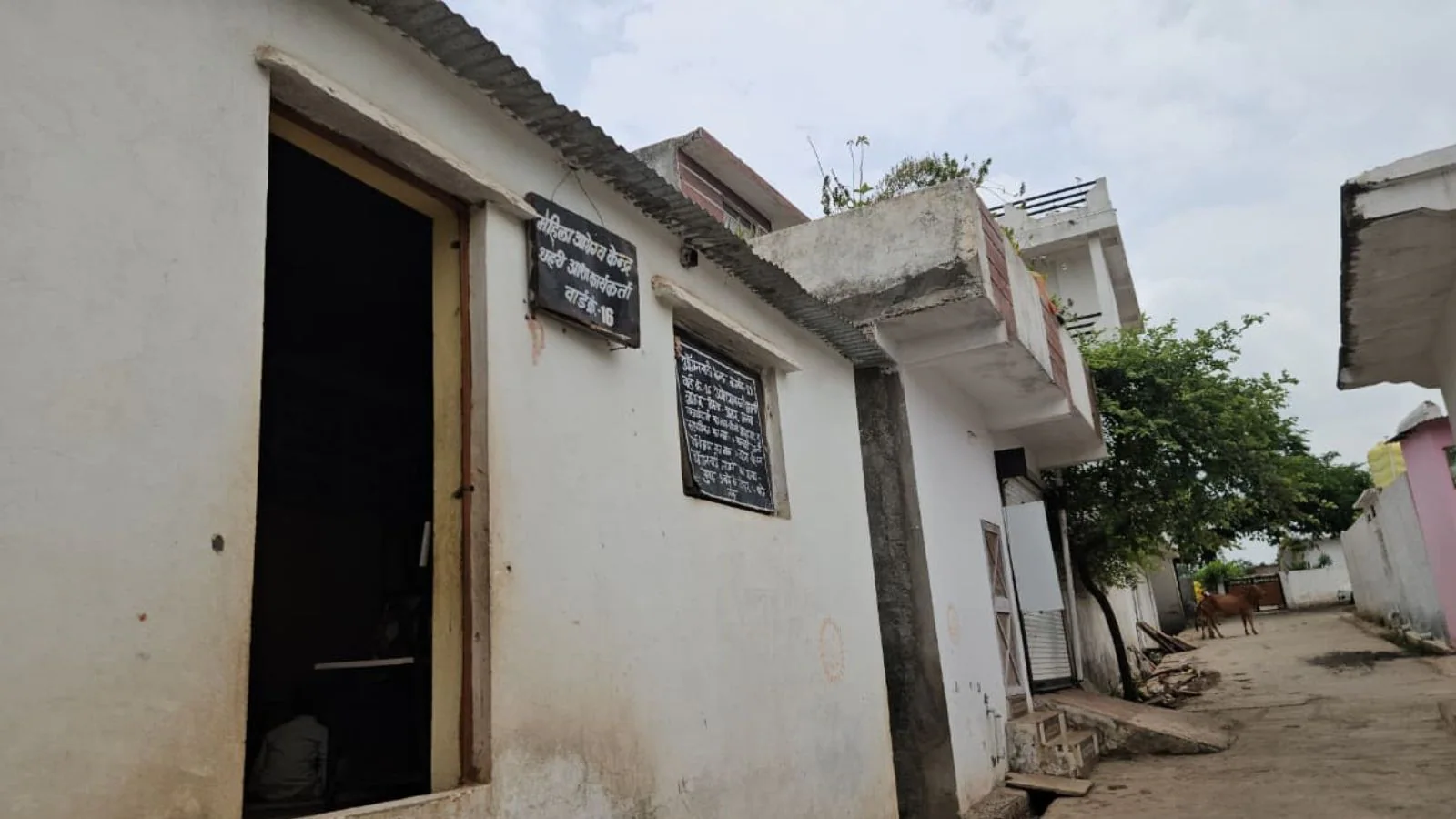
We will conduct an immediate investigation and whatever necessary action is required will be taken,” he said. At several centres, however, workers said the ration itself had not arrived. We have made efforts to address them, and we will be able to run the system smoothly going forward,” she told NDTV. At one Anganwadi centre in Bhopal, situated in a lane behind Deputy Chief Minister Jagdish Devda’s house, worker Rama Kushwaha said the centre had received stock in April but there was no fresh supply during May and June. It arrived again in July,” she said.