
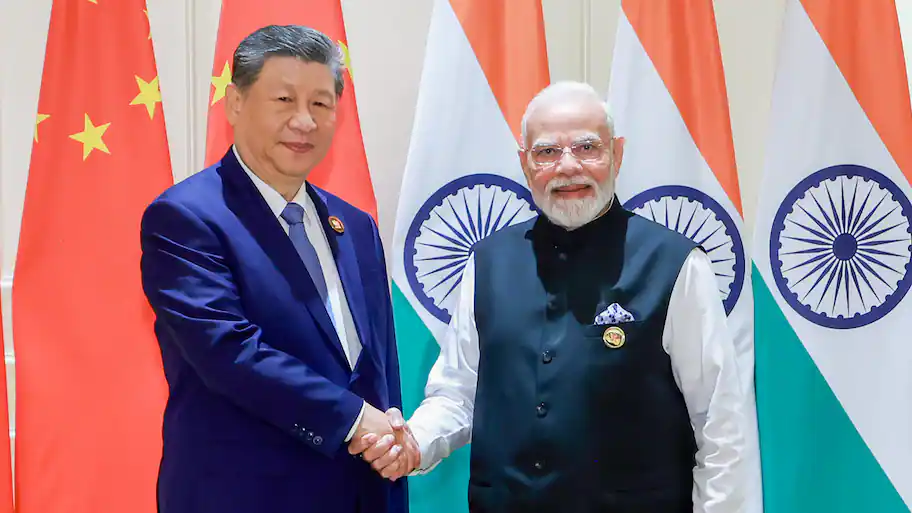
On Tuesday, India stressed the importance of mutual respect, interest, and sensitivity in its ongoing relationship with China. This statement came following a meeting between Prime Minister Narendra Modi and Chinese President Xi Jinping during the 18th BRICS Summit held in New Delhi. The Ministry of External Affairs (MEA) provided details of this significant diplomatic engagement, highlighting the commitment to fostering a constructive dialogue between the two nations.
New Delhi, however, did not use the same formulation in its official communication, instead emphasising mutual respect, shared challenges and the need to address core concerns.
Briefing the media on recent diplomatic developments in the by-weekly press briefing, MEA spokesperson Randhir Jaiswal said Prime Minister Modi raised India’s concerns during his meeting with Xi and stressed the need for both sides to remain sensitive to each other’s core interests. “Prime Minister referred to Indian concerns as well and underlined that both sides should show sensitivity to each other’s core concerns and be guided by the ‘three mutuals’: mutual respect, mutual interest, and mutual sensitivity,” Jaiswal said. Modi stressed that “peace and tranquillity in the border areas remain an essential basis for the continued development of bilateral relations”, according to the MEA’s statement issued after the talks. The MEA said the leaders also agreed to expand common ground on regional and global issues and work together to address shared challenges. China’s statement described India and China as “partners rather than rivals”. The Chinese readout also said India reiterated specific positions on Taiwan and Tibet and would not allow activities against China to be carried out from Indian territory. Beijing’s statement noted that India “will not allow any force to engage in anti-China activities on its territory”.
