
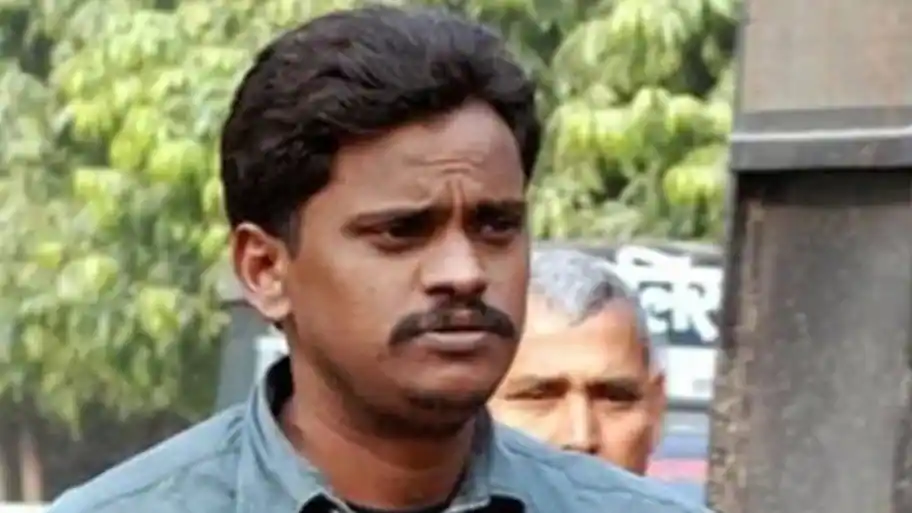
Surendra Koli, the notorious figure behind the 2006 Nithari killings, has died by suicide at a tea stall in Haridwar. This tragic event occurred months after the Supreme Court exonerated him of all charges related to the case. Koli’s death signifies the end of a deeply troubling chapter in India’s criminal history, which saw a shift from widespread outrage and calls for capital punishment to a legal unraveling due to compromised investigative practices. The Nithari killings, which shocked the nation, highlighted significant flaws in the judicial and investigative systems, raising questions that linger long after Koli’s passing.
Commutation : By January 2015, the Allahabad High Court commuted his death sentence to life imprisonment due to systemic delays in deciding his mercy plea. The midnight stay : Late on September 7, senior advocate Indira Jayisingh moved the Supreme Court, prompting an emergency hearing at a judge’s residence that stayed the execution around 1:00 AM.
The collapse of the prosecution case
Forced confessions : Defense arguments successfully established that Koli’s primary confessions were extracted after nearly 60 days of continuous police custody without proper legal representation. Lack of forensic integrity : In October 2023, the High Court and subsequently the Supreme Court on November 11, 2025, highlighted severe gaps in the forensic trail, lack of blood evidence inside the infamous D-5 bungalow, and flawed recovery methods.
Ultimate freedom : Declaring the conflicting verdicts a “travesty of justice,” the Supreme Court ordered his immediate release, leading to his exit from Kasna jail in November 2025.
