
Terror networks operating in the Kashmir Valley have increasingly shifted away from digital communication, prompting security forces to rework their operational strategy and strengthen their physical security grid across the region. With technological intercepts becoming less effective, terror outfits have increasingly reverted to using Over Ground Workers (OGWs) as physical couriers. Terror commanders operating from hideouts have reportedly stopped using mobile networks and smartphones and are instead relying on OGW networks to physically ferry instructions, operational blueprints and propaganda.
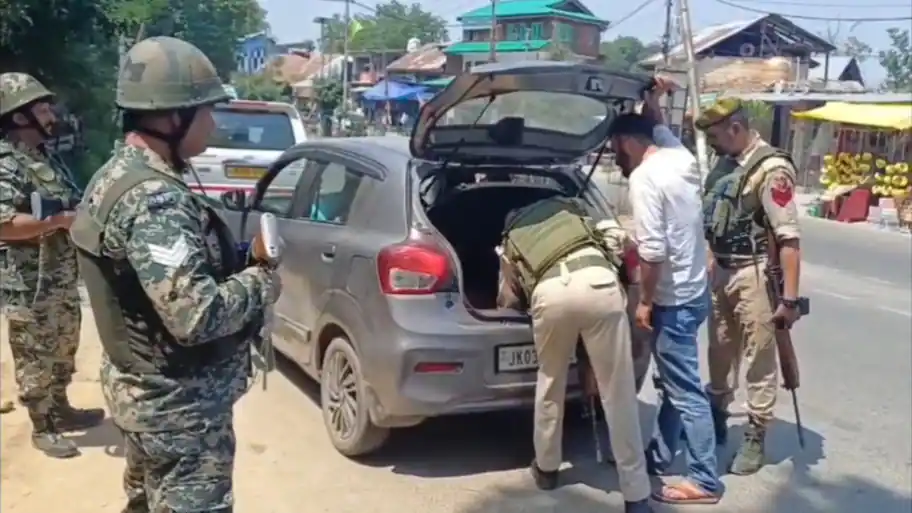
For years, counter-insurgency operations relied heavily on signals intelligence (SIGINT), mobile communication tracking and digital footprints to prevent terror strikes. However, terror networks have altered their communication protocols amid aggressive surveillance and frequent mobile internet clampdowns during operations. Beyond carrying messages, OGWs have also emerged as a logistical link for the movement of clandestine hardware. Arms, ammunition, explosives and anti-national literature are manually moved across inter-district borders under the guise of routine civilian movement. By blending into crowded markets, public transport and agricultural commutes, these couriers exploit the openness of civil society to bypass conventional checkpoints. Security forces strengthen physical grid Recognising that digital surveillance alone is no longer sufficient to track a largely silent network, the top leadership of the Jammu and Kashmir Police (JKP) and Central Reserve Police Force (CRPF) has overhauled deployment strategies. The mandate given to District Senior Superintendents of Police (SSPs) is to deny physical space to anti-national elements. Intensified naka checkpoints have been established at vulnerable urban intersections, highway choke points and crowded commercial hubs, with surprise and high-intensity checks being conducted. Security personnel are also carrying out rigorous physical and digital identity verifications to disrupt the movement of potential couriers. With terror modules relying on mobility between South and North Kashmir, security forces have also tightened surveillance along secondary and tertiary transit routes. Every transit corridor is being kept under physical surveillance to prevent couriers from moving between districts without checks. Area domination patrols intensified Instead of waiting solely for intelligence inputs, field formations have stepped up targeted area-domination patrols. These grid-based patrols are intended to act as a moving physical barrier against clandestine movement. The core of the current security strategy is the systematic dismantling of the OGW ecosystem. Intelligence agencies note that while capturing or neutralising active terrorists remains vital, disrupting their human courier network can restrict the movement of weapons and ammunition and affect command-and-control continuity. By combining human intelligence (HUMINT) with increased physical security presence from South to North Kashmir, security forces have intensified efforts to disrupt remaining terror modules. As terror networks attempt to rely on low-tech communication and physical couriers, the security grid across the Valley is being strengthened to prevent the movement of their personnel, supplies and instructions.
