
The government also wants three to five Vietnamese cities to gain regional or international standing by the same year. Vietnam has set a target of taking its urbanisation rate above 50% by 2030. The targets are part of Resolution 06-NQ/TW, which sets out plans for urban planning, construction, management and sustainable development.
The policy goes beyond the number of people moving into cities. An expanding urban population means greater demand for housing, transport, schools, hospitals, public spaces, water, electricity and other basic services. Digital systems are also becoming part of city management. Climate risks have to be considered in planning, especially in coastal and densely populated areas. Vietnam is pursuing these goals during a period of rapid urbanisation across Asia. The World Economic Forum identified demographic and environmental changes, resource shortages, technology and new business models as forces that would influence how cities develop. The basic challenge was to accommodate changing populations while making efficient use of land and natural resources. The issue has become more relevant as Asian cities add millions of residents. Vietnam’s response includes changes in urban policy and the development of large residential townships. Large private townships are becoming part of Vietnam’s urban expansion, with Vinhomes among the developers involved in such projects. The real estate arm of Vingroup has xpanded its portfolio from individual residential projects to large integrated urban developments. Vietnam’s urbanisation targets place large development projects within a wider planning exercise. New townships need roads that connect them with existing parts of a city. Public transport has to serve residents as populations increase. Schools and hospitals need enough capacity. Water, electricity and waste systems need to operate at the required scale. Coastal projects also have to account for environmental risks. Large private developments are one part of that process. Their progress will be measured through the infrastructure they deliver, the services available to residents and the way these new urban areas function once people start living in them.
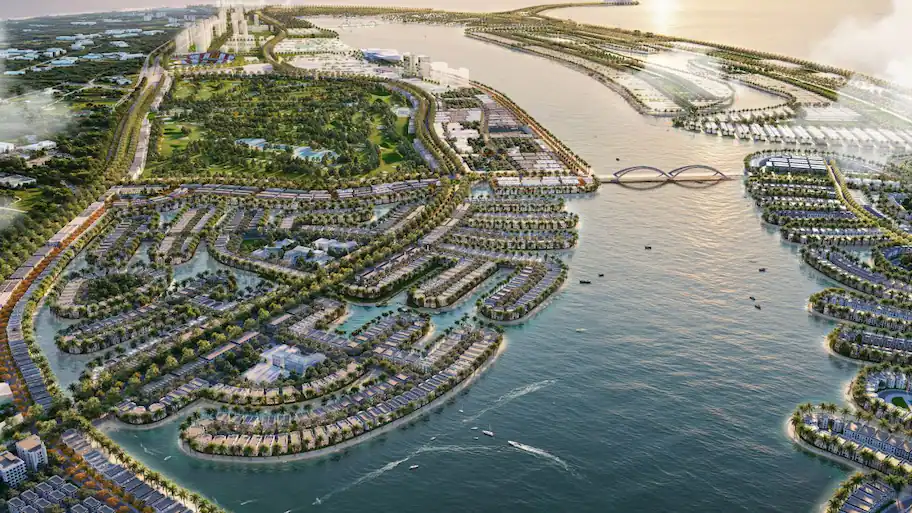
The idea of preparing cities for future needs was being explored across the globe in 2015. Its 2030 outlook examined green public spaces, healthcare, sustainable buildings, mobility and data-based city management. The United Nations Development Programme has projected that the Asia-Pacific region could add about 1.2 billion urban residents by 2050. The company says it presently operates 32 urban areas across eight provinces and cities, housing nearly 650,000 residents. The Can Gio project in Ho Chi Minh City is one example, with a planned 2,870-hectare development that includes housing and public facilities. The government’s 2030 plan gives these requirements a fixed deadline. Vietnam wants more than half of its population to live in urban areas by 2030 and wants several cities to gain regional or international standing.
Deloitte later developed the idea further in its “Urban Future With a Purpose” study.
