
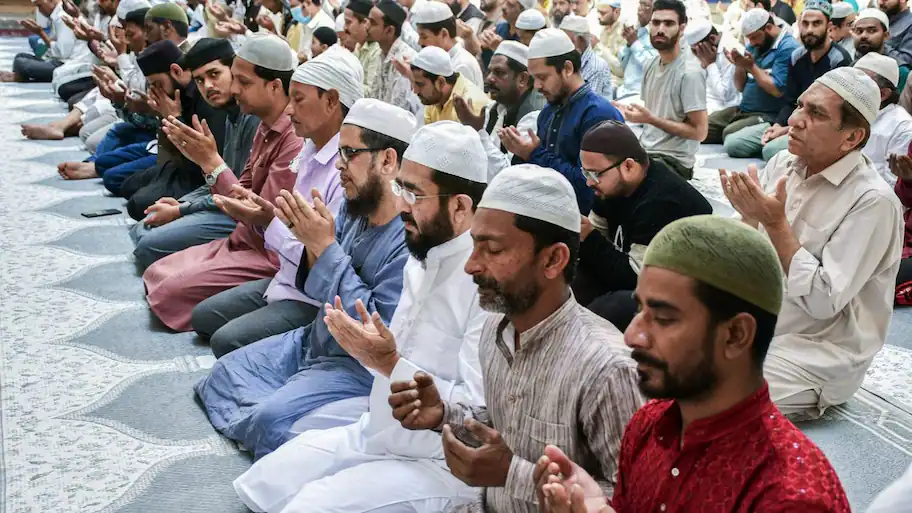
A proposal by the Jammu and Kashmir Waqf Board to form a committee for selecting common topics for Friday sermons has triggered a fresh controversy, with muftis, imams and political leaders opposing what they see as interference in religious affairs. Board chairperson Darakhshan Andrabi, however, has maintained that no binding order has been issued and that clerics remain free to choose their subjects.
The controversy began after the Waqf Board moved to constitute a core committee of muftis, imams and khateebs to identify and finalise common subjects for Friday prayers at shrines, Jamia Masjids and other institutions under its administration. The Board presented the proposal as a way to coordinate sermons on social issues. Critics, however, say the problem is not the subjects themselves but the Board’s perceived attempt to decide what should be preached from mosque pulpits. He rejected the suggestion that they required a prescribed topic to understand the concerns of their congregations. Noorani praised Andrabi’s work on shrines and Waqf properties, saying public donations were being used properly While criticising the proposal. He, however, drew a clear distinction between managing religious properties and determining what clerics should preach, arguing that the latter falls outside the Board’s authority. Waqf Board chairperson Dr Darakhshan Andrabi denied that a uniform khutbah had been imposed. “Whatever our religious scholars want, they should do in their own way. Jammu and Kashmir Chief Minister Omar Abdullah described the initiative as an unacceptable attempt by the BJP to interfere in Muslim religious affairs and asked the BJP-appointed Waqf chairperson to stop it. Former Chief Minister Mehbooba Mufti also condemned the proposal, comparing the push for common sermons with the BJP’s approach to a Uniform Civil Code.
Mufti Mia Adil Noorani said Kashmir’s religious scholars had guided congregations for centuries without directions from a central authority. Noorani said imams already address alcohol abuse, drug addiction and other social problems in their weekly sermons. “We will not allow this to happen,” he said. “There is no order at all,” she said, maintaining that the idea emerged from discussions among the muftis and imams who attended the meeting. The clerics wanted to address issues such as drug addiction, delayed marriages, suicide and distress among young people through their own preaching, according to Andrabi. She said they were free to choose their words and subjects. We have no interference in that,” she said.
He questioned why the Board now considered such intervention necessary and cited accounts from participants who claimed that a similar decision had been discussed four years earlier.
