
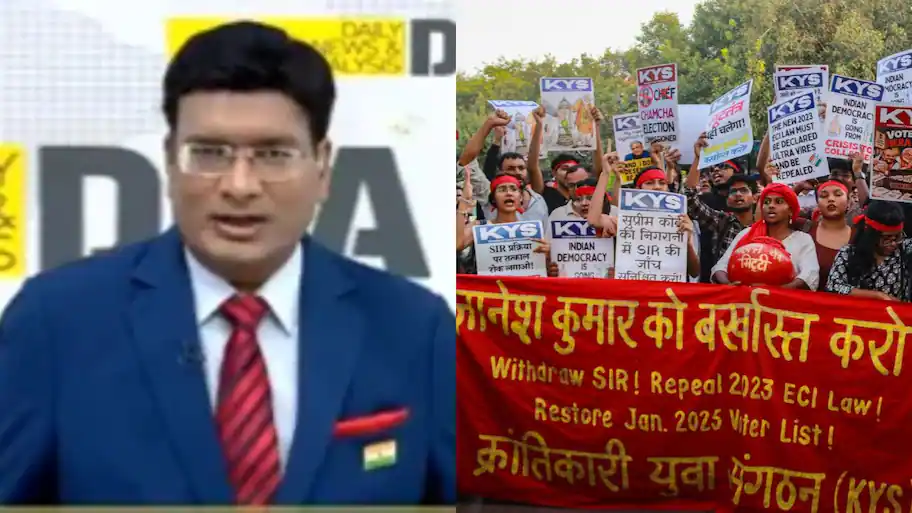
A protest demanding the resignation of Chief Election Commissioner Gyanesh Kumar has turned into a dispute over two words: regime change. After lawyer Prashant Bhushan used the phrase, the BJP accused the opposition of seeking to destabilise the government. Protest organisers say their immediate demands concern electoral rolls, while police detained organisers ahead of Friday’s tricolour rally in central Delhi.
The phrase offered the BJP an opening. Party leaders argued that the protests were an attempt to unseat the Modi government rather than seek corrections to electoral records. Defence Minister Rajnath Singh accused the opposition of pursuing disruptive politics, while BJP chief Nitin Nabin alleged that the call exposed an agenda to destabilise India. Congress spokesperson Pawan Khera rejected the suggestion that demanding political change was inherently undemocratic. He argued that defeating a government through elections was a legitimate objective of any opposition party. The words alone do not prove an intention to use violence. The CJP originally protested against the election chief and voter list revisions.
That distinction matters: “regime change” can describe an electoral change of government as well as a more sweeping political transition. However, Prashant Bhushan expanded the debate by calling for “regime change”, allowing both the government and its critics to interpret the movement differently.
