
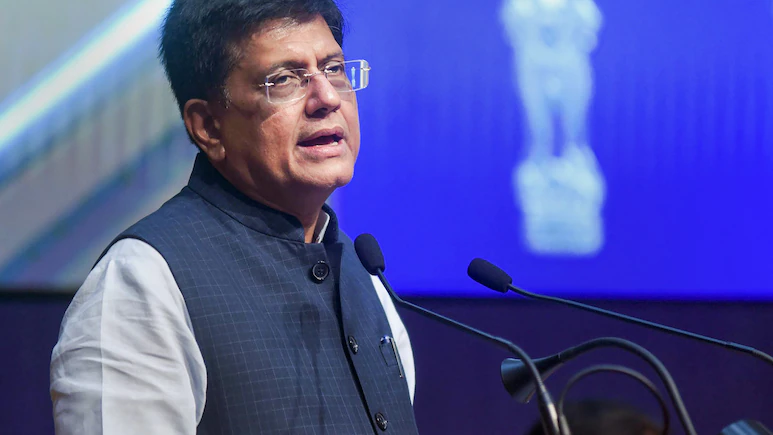
Union minister Piyush Goyal on Friday challenged Europe’s climate stance, arguing that developed nations have caused the climate crisis and that the Carbon Border Adjustment Mechanism (CBAM) and high import duties on steel could raise the cost of living, make industries uncompetitive, and hurt consumers.
“Who’s responsible for this mess in the first place? Where did this ozone layer get damaged? Who sent all that carbon up there?” he asked. “The problem was caused by you for good reasons. For good reasons…you were growing, you wanted low cost of energy. You put a CBAM (Carbon Border Adjustment Mechanism) on yourself. You’re inviting disaster. But Goyal asserted that he was speaking about Europe.
During a question-and-answer session at the Berlin Global Dialogue 2026, Goyal asked who was responsible for the climate crisis. “Europe, by contrast, accounts for perhaps 3 per cent or 4 per cent of the world’s population and your contribution to carbon emissions is humongous…India’s contribution was probably less than 10 to 15 per cent of Europe’s even now. You put a 50 per cent import duty to bring steel into your country.
To this, a fellow panelist said, “All of us”. “No, I’m sorry,” said Goyal, adding that while India supports 17 per cent of the world’s population, it contributes to less than 3 per cent of carbon emissions. I am more conscious of waste…more conscious of circular economy,” he said. Your cost of living will go up,” the minister said, adding that developed economies had burned coal to keep energy costs low as they grew. A panelist told Goyal that the “you” he mentioned also covered the US.







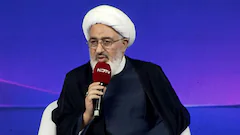
Goyal is on an official visit to Germany and the Netherlands from October 22 to 27 and is accompanied by a delegation of about 100 Indian businesses and startups.
Despite pressures, India has “one of the fastest growing clean energy programmes”, according to Goyal.
“The promised support was $100 billion a year…11 years later, we haven’t seen a nickel or dime of that.
Goyal, during the talks, mentioned the 2015 Paris Agreement, saying the deal rested on “common but differentiated responsibility”, with developed countries expected to pay a greater price and support developing and island nations. It’s all promises,” he said.
