
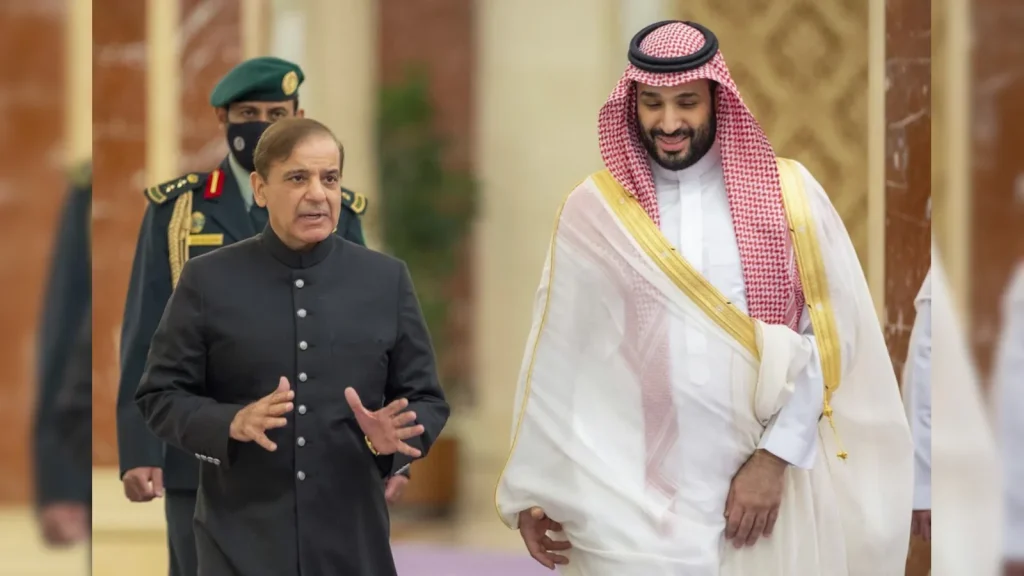
At its core, the pact states that an armed attack on any one of the three will be treated as an attack on all, while also describing itself as a defensive arrangement not directed against any specific country. The Mecca Joint Defence Agreement, signed on August 7, 2026, by Pakistan, Saudi Arabia and Turkiye, marks a notable shift in regional security signalling.

Pakistan and Saudi Arabia have maintained close military ties for decades, including Pakistani troop deployments to the Kingdom. Yet Islamabad has shown restraint in becoming directly involved in Saudi regional conflicts. This highlights the complexities of the regional power balance. Close defence partnerships are filtered through national interest, domestic politics, geography, and the specific nature of the conflict. The Mecca pact expands the bilateral partnership into a trilateral framework involving Turkey, raising the stakes, but not necessarily removing the same constraints. Yet, as former Indian ambassador Navdeep Suri points out, the more important question is not ideological alignment but operational clarity: what kind of attack would actually trigger collective action?
A key example came in 2015, when Pakistan’s parliament declined participation in the Saudi-led military campaign in Yemen.
