
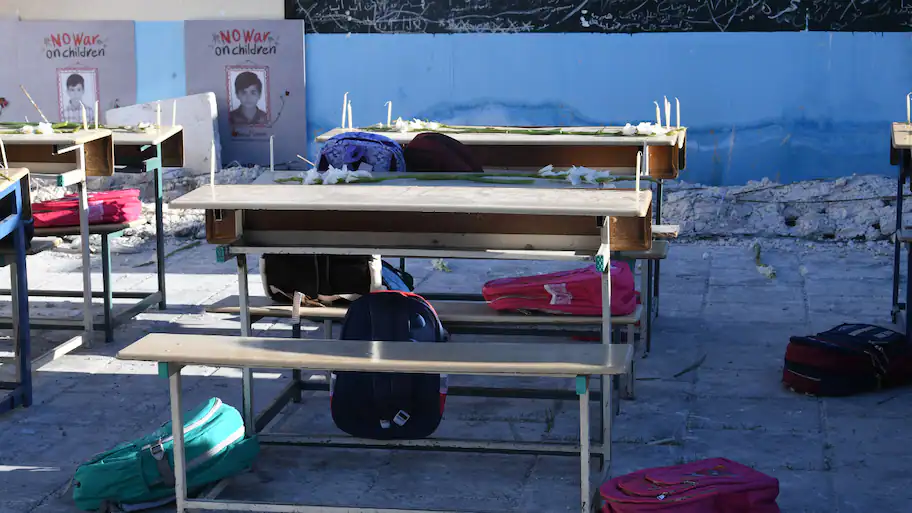
Faulty intelligence, outdated satellite imagery, staffing cuts and heavy reliance on artificial intelligence contributed to a US strike that killed around 120 children at a school in the Iranian city of Minab.
They expected the system to identify outdated or inconsistent intelligence, Bloomberg reported, according to officials involved in the investigation. The Pentagon investigation identified several factors behind the deadly error, including outdated intelligence, reductions in personnel responsible for mitigating civilian harm and an overreliance on artificial-intelligence tools. Althiught, the United States has not disputed responsibility for the Minab strike since evidence of the Tomahawk missile emerged.
More than 1,000 targets were struck during the first 24 hours of the operation, following an order for an extensive air assault in late February, according to the officials. On May 19, CENTCOM commander Admiral Brad Cooper said preliminary Pentagon findings had ‘correlated’ the strike with US forces.
Officials familiar with the Pentagon’s internal review characterised the incident as the result of a series of preventable lapses rather than one decisive error, according to a Bloomberg report. The officials, who spoke anonymously, said several smaller mistakes and missed opportunities combined to allow the strike to take place. But officials said there was clear evidence that its function had changed, Bloomberg report citing internal Pentagon probe officials. Ahead of the US attack on Iran, much of that work was condensed into minutes with the help of Maven, according to people familiar with the Pentagon’s review. No CHM team member reviewed the Minab site before the attack, according to officials involved in the investigation. In June, US President Donald Trump said that ‘nobody’ had deliberately targeted the school.
The Minab site had been identified as a military compound years earlier.
