No opposition arithmetic in West Bengal is complete without the Muslim vote. For three decades, that vote decided who sat in the Writers’ Building and who waited outside it. The community was 27 per cent of the population in the last census and is now widely taken to be close to 30 per cent.
In 2021, Muslim voters were the strongest pillar of the Trinamool Congress. CSDS-Lokniti put the community’s support for the party at 75 per cent, up from 70 per cent in 2019 and 51 per cent in 2016.
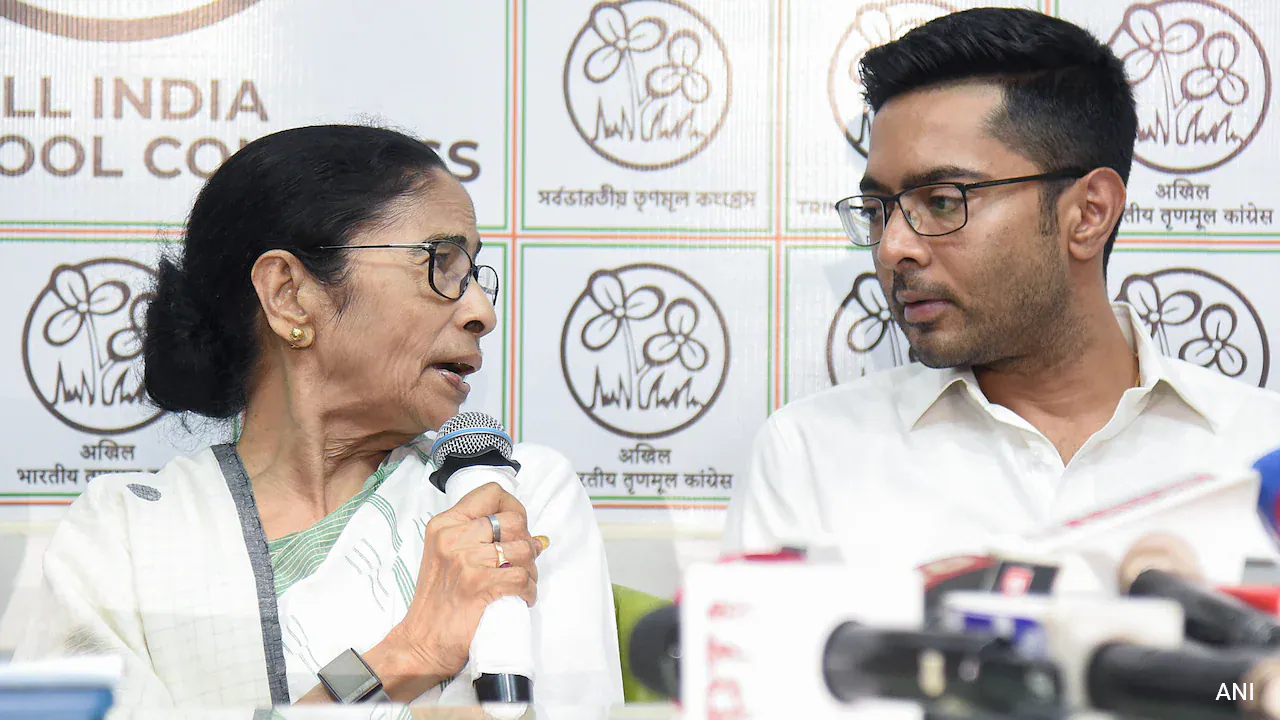
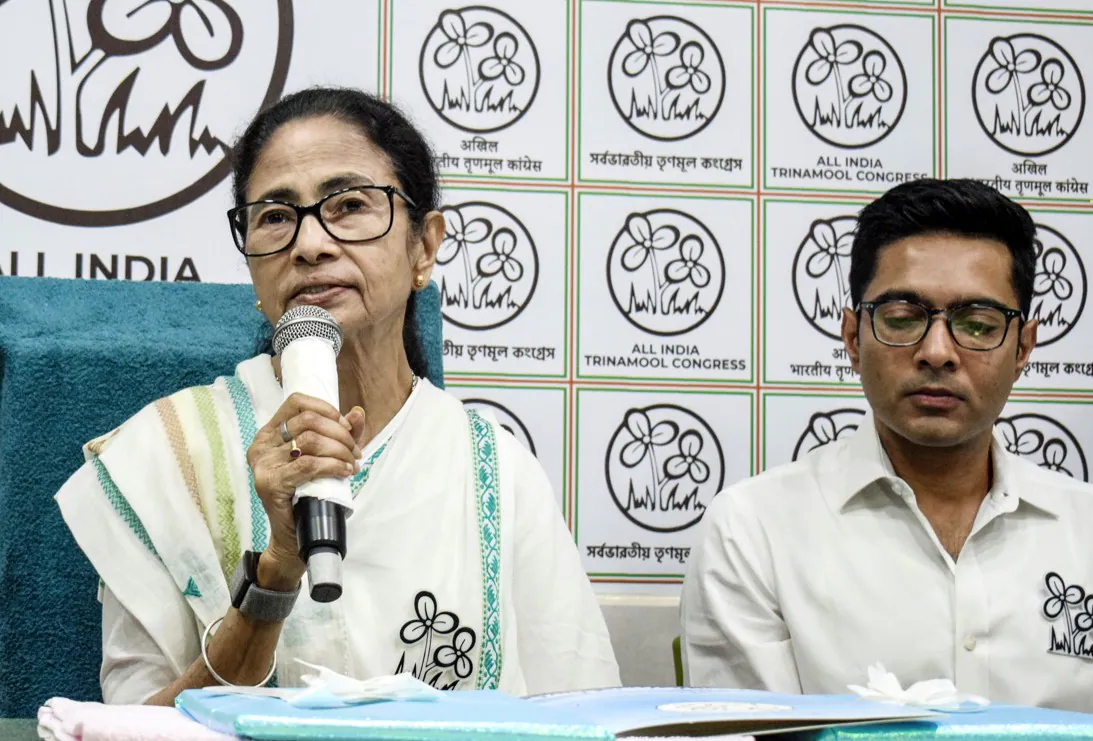
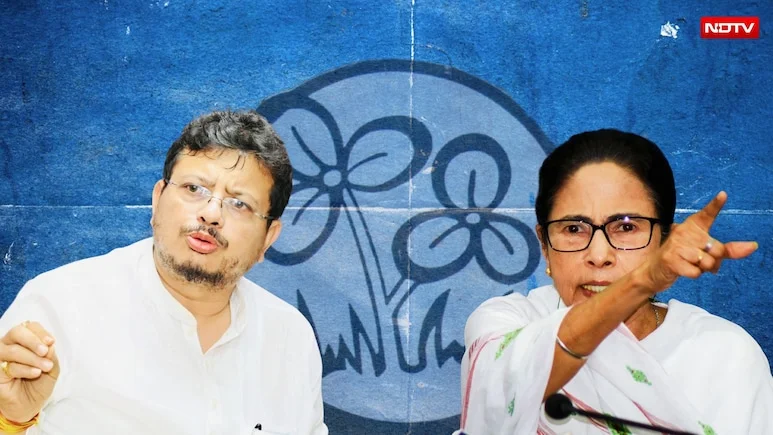
In Rejinagar and Nowda, AJUP pushed the Trinamool into third place and won both seats. When the Congress ruled, Muslims could still look at the Left. When the Left ruled, they could look at Mamata Banerjee. When the Trinamool Congress ruled, they could look at the Congress and the Left. The door was never fully shut. The Bharatiya Janata Party in power changes that door. Muslims in Bengal, as elsewhere, do not vote for the BJP in any number that can change a seat. That is the one fixed point on an otherwise broken map. Every party in the field knows this, including the BJP. Nandigram is not a Muslim seat in the same way, but it has a significant Muslim population. Most importantly, it’s the bastion of the Adhikari family. The question is no longer whether Muslims will vote for the BJP. They will not. The question is whether they will vote as one bloc for anyone else. That is the arithmetic the BJP wanted. A Hindu vote that has found a single address, and a Muslim vote cut into slivers among Mamata Banerjee’s diminished Trinamool, Ritabrata Banerjee’s rebel legislature group, the Congress, the Left, Humayun Kabir’s Aam Janata Unnayan Party, and smaller outfits. As long as that split holds, no opposition party can put a majority together in Bengal. The bypolls will not change the government. They will show whether the split is hardening. Fear of the Citizenship Amendment Act and the National Register of Citizens locked that alignment. The sharpest shift was in Murshidabad, Malda and Uttar Dinajpur. Beldanga is the cleanest picture. The BJP did not need the Muslim vote. It only needed the others to split it. The same story ran through the district. The Congress took Farakka and Raninagar. The CPI(M) returned through Domkal. Mamata Banerjee remains the most recognised opposition face in Bengal. That is not the same as being the most trusted one. The body that once walked from village to village and turned a street fight into a government is slower now. A party built around one face discovered, in a single afternoon, that the face could lose and the machine could not hold.
Nandigram and Rejinagar go to the polls on October 6, the first by-elections after Suvendu Adhikari became the first BJP chief minister of the state. Rejinagar, in Murshidabad, has a Muslim majority well above 65 per cent. In 2021, Muslim voters were the strongest pillar of the Trinamool Congress. CSDS-Lokniti put the community’s support for the party at 75 per cent, up from 70 per cent in 2019 and 51 per cent in 2016. Where Muslims were more than 30 per cent of the population, the Trinamool swept Murshidabad, Malda, Uttar Dinajpur, South 24 Parganas and Birbhum. A 215-seat majority was built on one community voting as one. In 2026, that monopoly broke. The Trinamool fell from 215 seats to 80. The BJP rose to 207 and formed the government. Muslims are estimated at around 63 per cent of the seat. In 2021, the Trinamool took more than 55 per cent. In 2026, its share fell to 26.1 per cent. AJUP polled 20.4 per cent. The Congress took 17.5 per cent. The BJP won with 31.9 per cent. In Jalangi, the Trinamool’s lead fell from more than 79,000 votes in 2021 to about 21,500 in 2026. Fragmentation, not a sudden love for the BJP among Muslims, was the arithmetic behind the fall from 215 to 80. She is 71. The woman who entered Nandigram in 2007 with a crowd behind her is no longer on the road in that way. After May 4, she lost Bhabanipur, the seat she had treated as home, to Suvendu Adhikari.