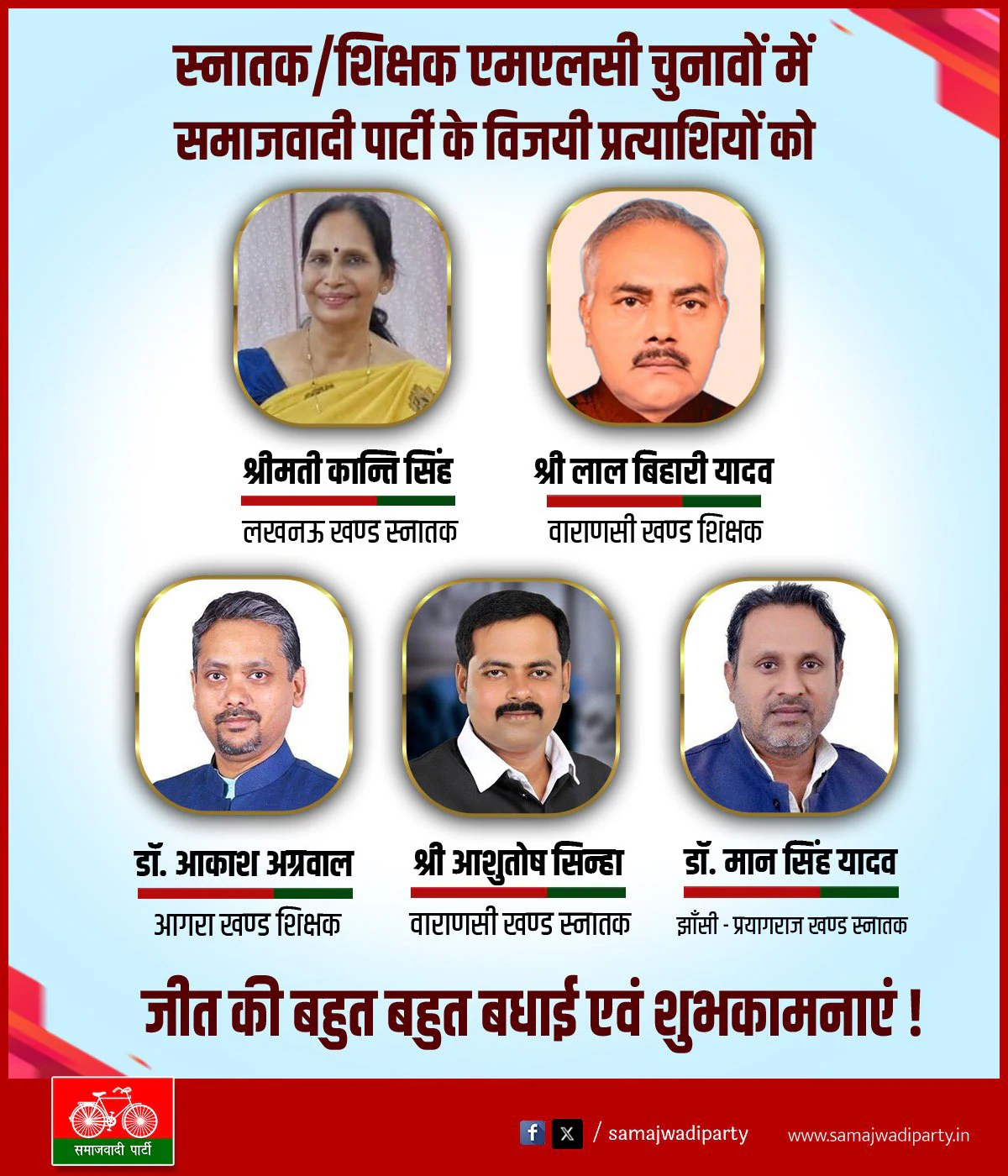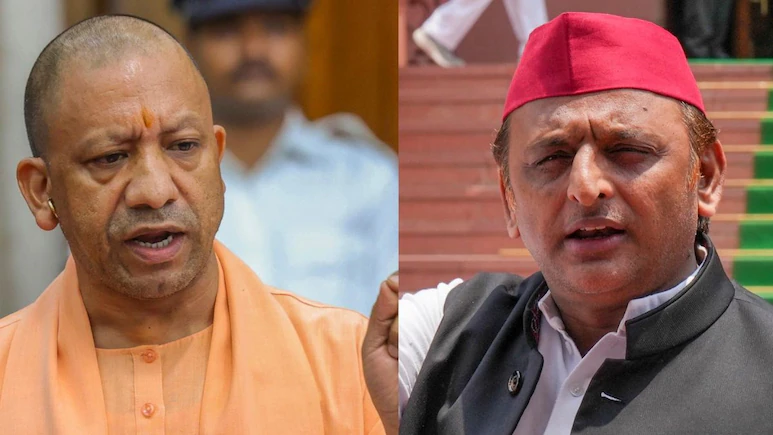
The BJP’s setbacks in several constituencies in the Uttar Pradesh Legislative Council (MLC) elections have brought its candidate selection, internal dissent and local organisational dynamics under scrutiny. its performance across western Uttar Pradesh offers a mixed picture, with the BJP retaining its dominance in the region While the Samajwadi Party (SP) has made gains in key constituencies.
From Agra to Varanasi and Lucknow, the BJP’s candidate choices have emerged as a possible factor behind its disappointing performance. In some constituencies
From Agra to Varanasi and Lucknow, the BJP’s candidate choices have emerged as a possible factor behind its disappointing performance. In some constituencies, the party appears to have overlooked local opposition to its nominees, while in others, its candidates faced strong challengers with established support bases. The results have prompted Deputy Chief Minister Keshav Prasad Maurya to say that the BJP would review its performance and examine how the SP managed to win seats where the ruling party had not anticipated a defeat (read Varanasi). The BJP’s choice of Kedar Nath Singh for the Varanasi Graduates’ constituency has also come under scrutiny. The decision to field him again, despite his previous defeat, has raised questions about whether the party adequately assessed the constituency’s political dynamics before finalising its nominee. The SP’s ability to challenge the BJP in Varanasi, the constituency of Prime Minister Narendra Modi, makes the outcome particularly noteworthy.
Singh had lost the 2020 election to SP leader Ashutosh Sinha.
The BJP’s decision to field Avneesh Singh Patel in the Lucknow Graduates’ constituency reportedly faced opposition from the outset. If local opposition contributed to the result, the setback could point to a wider organisational problem: the gap between decisions taken by the party leadership and the views of local workers and voters. The BJP’s choice of Ashok Rathore in the Jhansi-Allahabad constituency has also been questioned following the party’s setback.
The party had sufficient time to reconsider its choice but did not respond to the dissent within its ranks, according to accounts of the candidate-selection process.