Cyclone Arnab brought heavy rains, strong winds and flooding to several Indian states over the weekend. But for the key rice-producing states of Uttar Pradesh and Bihar, it also meant losses to the paddy crop.
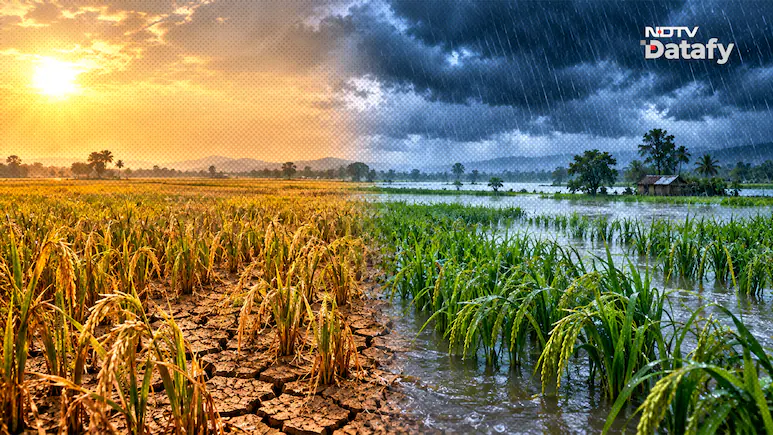
Crops in Uttar Pradesh and Bihar have already been hit by irregular and deficient rainfall during this monsoon season. Now, as the crop reached maturity, heavy rainfall between September 25 and September 28 has caused flooding in paddy fields, while accompanying strong winds flattened standing crops in several districts.
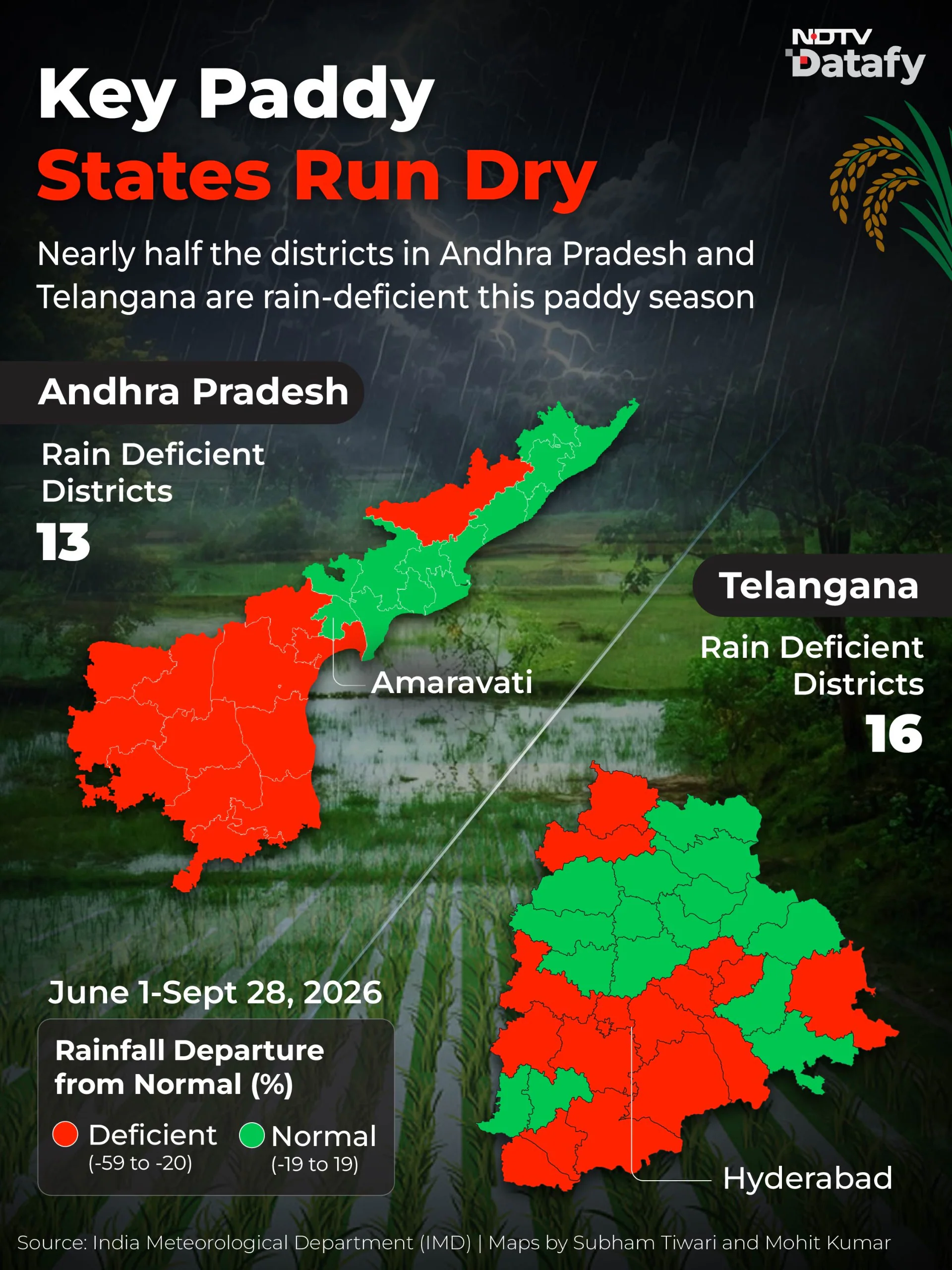
Flooding and crop damage were reported from some of these districts. During this period, the paddy crop was at the critical stage of flowering and grain formation, when it needed adequate water. But it rained so heavily that fields were flooded and standing crops were damaged. IMD data shows that many paddy-producing districts received rainfall several times above the normal level. Bihar was already in the process of assessing damage caused by rainfall shortages as well as flooding from overflowing rivers. During Cyclone Arnab, at least four districts received nearly four times the normal rainfall. Telangana and Andhra Pradesh, the second and fifth-largest rice producers in India respectively, are also grappling with rainfall shortages.

Around half of Uttar Pradesh’s districts recorded a shortage of rainfall during at least 13 of the 16 weeks since the first week of June, according to data from the India Meteorological Department (IMD). For much of July, when paddy transplantation takes place, most districts of the state recorded a rainfall deficit of 20-99 per cent. Most districts of Uttar Pradesh also reported a severe shortage of rainfall between September 9 and September 23. At least 26 of UP’s 75 districts received more than times the normal rainfall between September 25 and September 28. As per the IMD, at least 31 of Bihar’s 38 districts recorded deficient rainfall between June 1 and September 23, 2026, meaning crops in many districts were already under stress. Nearly 50 per cent of districts in both states have been marked as rain deficient.