
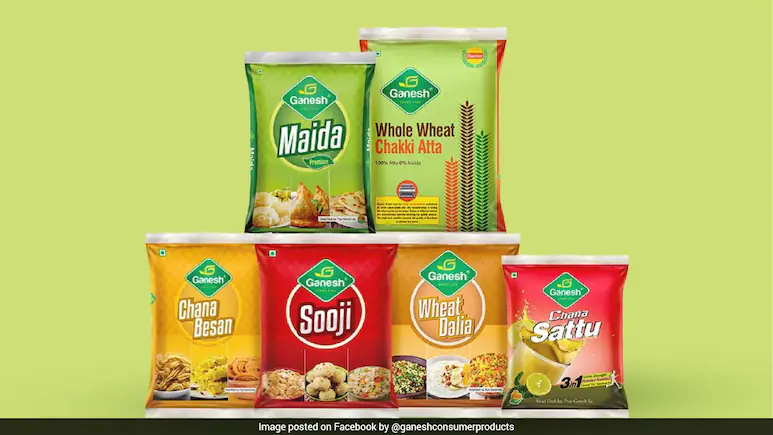
The Food Safety and Standards Authority of India (FSSAI) on Wednesday said that it has suspended with immediate effect the licence of Ganesh Products Private Limited following serious and critical food safety non-compliances found during an inspection of its food manufacturing premises.
In view of the findings, the FSSAI licence granted to Ganesh Products Private Limited has been suspended forthwith in the interest of public health and will remain suspended until further orders.
The inspection found the overall cleaning and sanitation of the premises to be highly unsatisfactory, with significant accumulation of dirt, soil and dark matter, along with algae or fungal spots, cockroaches, rodents, flies and cobwebs in processing and storage areas. The finished-product storage area was also found inadequate, with improper stacking, products kept close to walls and insufficient ventilation. Inspectors further observed rusting on most production containers, which were reportedly in unhygienic condition and had unwanted material deposited on them. Expired or unlabelled food materials were found stored alongside finished products, while waste, old stock, rejected lots and scrap materials had accumulated in food-handling areas. Several food safety and quality-management records and procedures were also found to be missing. These included mock recall records, a jewellery policy, proper handwashing facilities, consumer complaint records, internal training records and internal as well as external audit records. During the enforcement action, three paneer manufacturing units were found operational. However, no food business operator, owner, manager or authorised representative was present at the premises. The inspection team also found that no FSSAI registration or licence certificate and no signboard were displayed. The entire quantity was destroyed by the administration at the spot to prevent it from re-entering the food chain.
Around 7,600 kg of paneer was found stored under what authorities described as grossly unhygienic and insanitary conditions, including soiled containers and unclean platforms.
The serious deficiencies had the potential to compromise food safety and public health, with food manufactured under such unsanitary conditions potentially rendering the products unsafe, according to the inspection findings.
