This was, consequently, the first time HAL was kept out of an indigenous fighter-jet project.
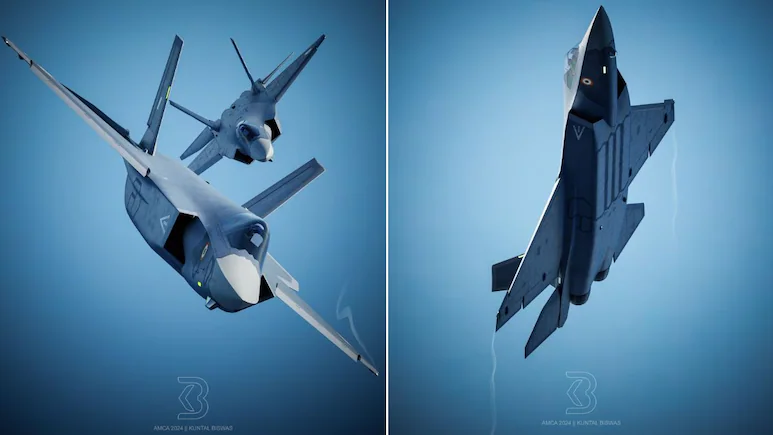
State-run aircraft manufacturer Hindustan Aeronautics (HAL) did not qualify to build prototypes of the indigenous Advanced Medium Combat Aircraft (AMCA), a stealth fighter, on technical grounds, according to India’s Defence Secretary.
He did not specify what those technical grounds were. At the same time, the Defence Ministry had made a decision to open up the manufacturing of the futuristic platform to the private sector. “We wanted to create a second fighter jet production line in the country rather than putting all our eggs in one basket, as has always been the case in this country. We’ve been lucky to find three credible technically qualified bidders – one TASL (Tata Advanced Systems Limited) on its own, the other two are credible private sector companies with public sector partnerships. In late May, India’s Aeronautical Development Agenda (ADA), issued an RFP (Request for Proposal), a formal document in which the buyer asks shortlisted bidders to submit detailed technical and commercial proposals, including their price, to complete the project.
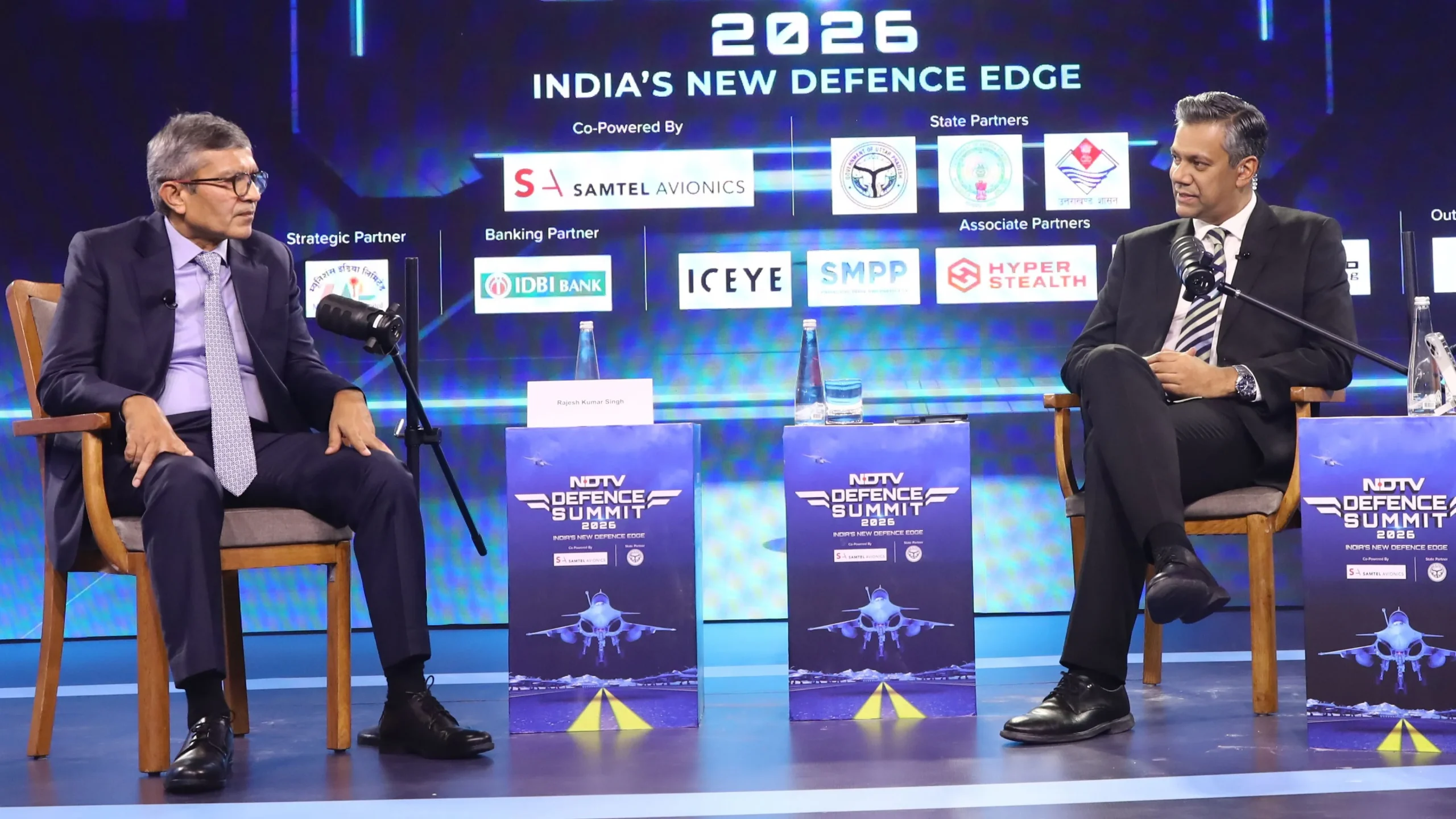
In an interview at the NDTV Defence Summit 2026 held in New Delhi on Sunday, RK Singh said, HAL “didn’t qualify on some fairly routine technical grounds which they somehow failed to meet. In February 2026, Defence Ministry sources said only three of the seven consortia that had expressed interest met the mandatory technical and financial criteria, and HAL, which had bid with two smaller firms, did not qualify.
Three bidders remain : Tata Advanced Systems, an L&T-BEL-Dynamatic consortium, and a Bharat Forge-BEML-Data Patterns consortium. The winner will build five flying prototypes and one structural test aircraft with ADA at Puttaparthi, Andhra Pradesh, and must set up a new company within three months. The government is fully funding the roughly Rs 15,000 crore prototype phase. First flight was expected within 30 months, all five prototypes by 64 months. The jets were meant to have flown 1,800 test sorties by 84 months. The Aeronautical Design Authority is meant to retain design authority of the fighter, and prototypes will initially use General Electric-sourced F414 engines, the same engines which power the Tejas Mk-2 fighter which is still to be rolled out. Induction of the AMCA stealth fighter is a national priority for the Defence Ministry at a time when reports suggest that China has already inducted more than 500 stealth fighters, including the J-20 and J-35, a fighter observers believe will also enter service with the Pakistan Air Force. The first prototype of the AMCA will hopefully fly in September 2028, according to Singh.