
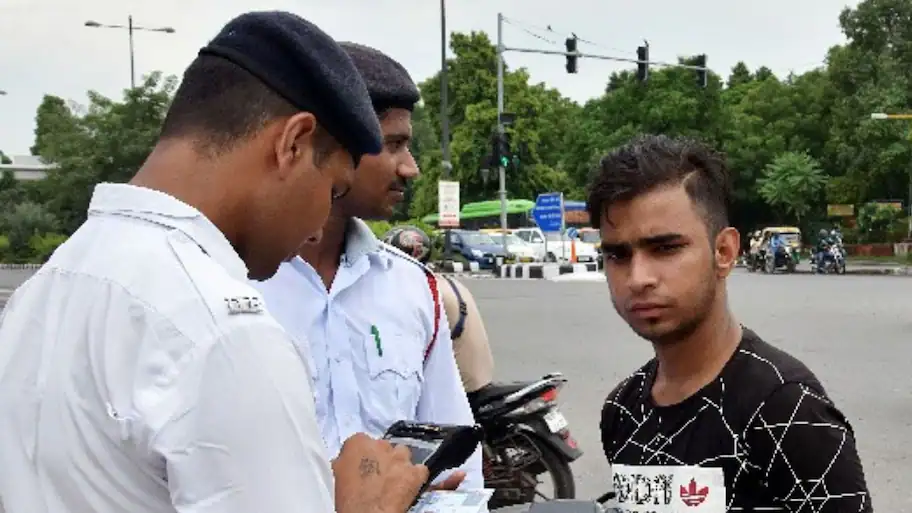
The Supreme Court has suggested authorities to adopt effective measures to recover unpaid traffic challans, noting that simply issuing e-challans does not ensure payment. During the hearing, Justice JB Pardiwala observed that authorities could consider linking unpaid traffic fines with other government dues, such as electricity bills, to facilitate recovery.
In this country, you have to find a way out,” the Supreme Court observed, as reported by Bar and Bench. “If people are not paying traffic challans, add it to their electricity dues bill. They’ll have to pay the electricity bill, otherwise the power line will be disconnected. Work it out. Justice Pardiwala emphasised that authorities must frame measures that take practical ground realities into account. He noted that while police departments may issue thousands or even lakhs of e-challans, the key challenge lies in ensuring the recovery of the fines imposed through them. The court suggested several measures to ensure recovery of outstanding traffic challans, including withholding the renewal of vehicle registration certificates where fines remain unpaid. It also proposed restricting the issuance of duplicate registration certificates and preventing the transfer of ownership of vehicles linked to pending challans. The court further suggested that fitness certificates for such vehicles should not be issued until their challans are cleared. Other measures discussed included blacklisting the vehicles on the Parivahan portal and withholding the renewal of driving licences associated with unpaid traffic fines. The court also discussed measures such as suspending driving licences that had already been issued and withholding Pollution Under Control (PUC) certificates for vehicles against which traffic challans remain unpaid. Justice Pardiwala stressed that effective implementation would require authorities to devise mechanisms suited to the practical realities on the ground. However, the court clarified that the suggestion of linking unpaid traffic challans with electricity bills was made only during the course of the hearing and did not constitute a direction to implement such a measure.
This suggestion came after the court was informed that states and Union Territories have accumulated around Rs 45,000 crore in unpaid e-challan dues, of which approximately Rs 25,000 crore has been recovered so far.
It suggested conducting random vehicle checks and said authorities could consider impounding vehicles with outstanding e-challans, wherever necessary.
