
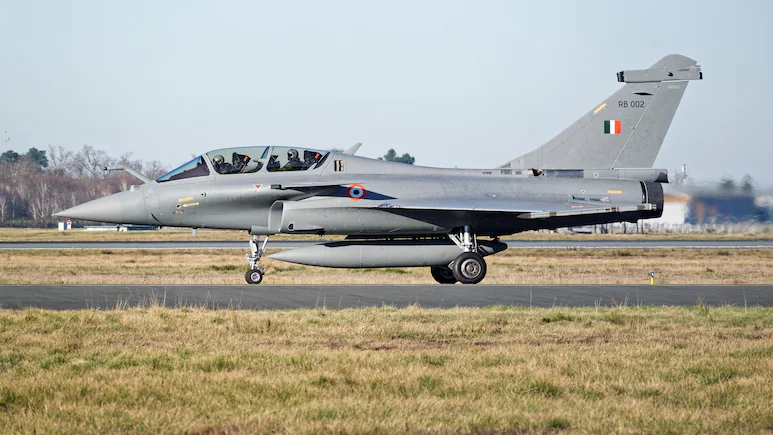
India’s continued interest in the French-designed Rafale fighter does not come at the cost of the development of the indigenous Tejas Mk-1A and Mk2 fighter jets.
We have already got in-out inventory. It did well in Operation Sindoor. We also have the Naval version on order right now. So we have a good relationship with the French as well. They have agreed to our mandate that they will make it [the Rafale fighter] in India with significant levels of indigenisation.”
Asked why India would continue acquiring the Rafale into the mid-2030s when the home-grown Tejas Mk-2 would likely be available then, India’s Defence Secretary, RK Singh, said, “I think [the] Rafale is a proven aircraft.
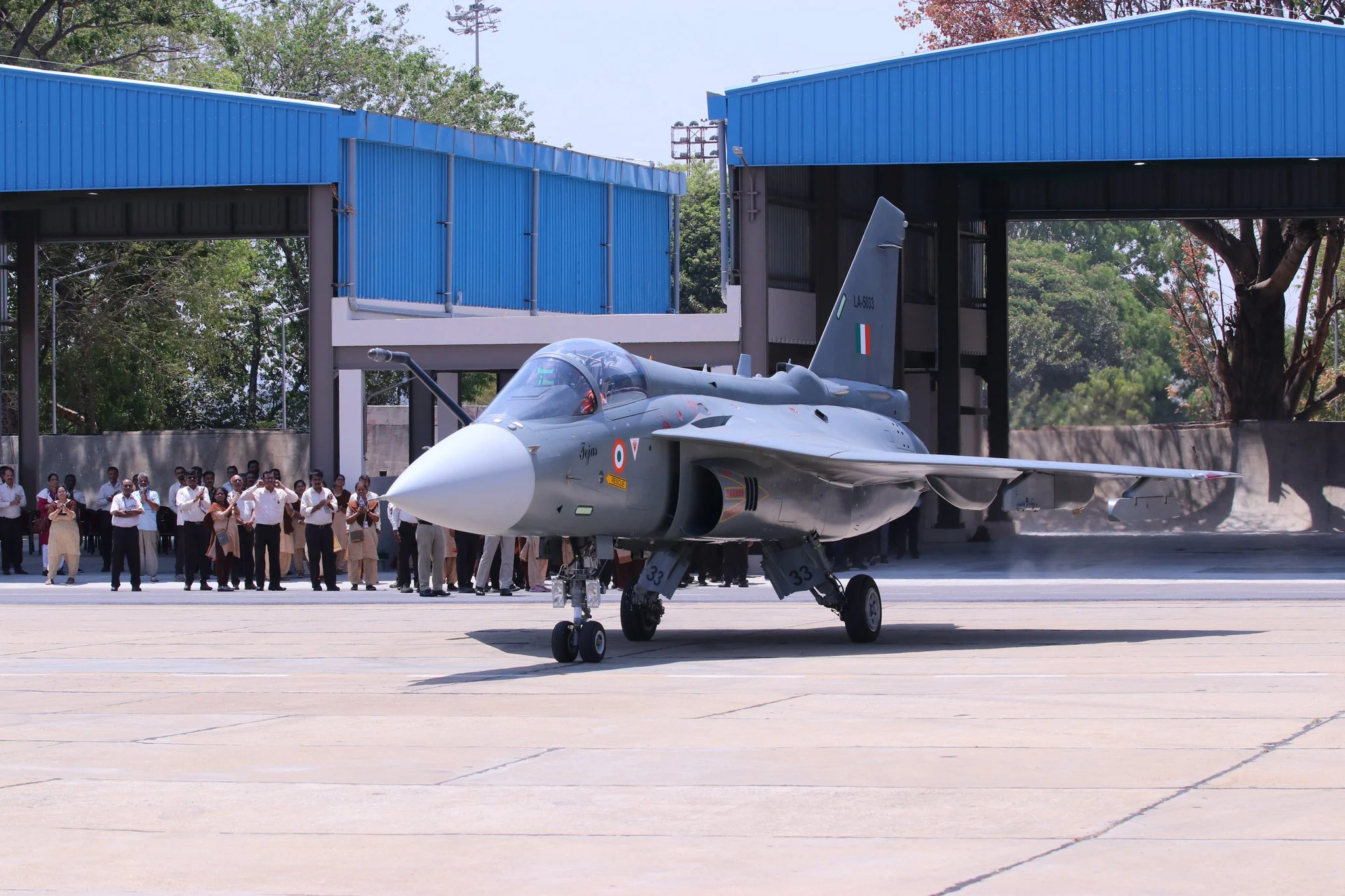
If agreed upon, this will likely be India’s costliest defence deal. Negotiations for additional Rafale platforms also involve discussions on the integration of Indian designed weapons on the French-designed fighter. ”Because of all those reasons, we are going through with it even as we continue with the indigenous program.” The Indian-designed Tejas Mk-1A fighter, expected to begin entering IAF squadron service this year will follow a ”spiral development kind of a model” where the government hopes incremental capabilities, including the more powerful, made-in-India Uttam air-search radar is integrated with the fighter.
India is presently involved in negotiations with the French government for 114 more Rafale fighters under its Multi-Role Fighter Aircraft (MRFA) deal worth about Rs 3.25 lakh crore ($34-39 billion). Dassault submitted a formal proposal on August 6, 2026 which is now being examined by the Defence Ministry. 18 fighters are likely to come in a fly-away condition from France and 96 would be built in India, though details of this are still being finalised. Without delving into specifics, French diplomatic sources told NDTV in July that the new deal process is different from the earlier one (where the IAF had acquired 36 fighters) and that intense negotiations continue to be underway.
”It enables us to create a second production line for fighter aircraft in the country,” said Singh. ”Indigenous radars, incidentally, are very powerful [and] better than the global peers,” said Singh. France has reportedly refused to share source codes for the radar, mission computer, and SPECTRA electronic-warfare suite, which would limit India’s ability to integrate its own weapons, such as the Astra missile, according to reports. The government, he added, would continue developing the LCA Mark 1A through a “spiral development” model, with increasingly advanced indigenous radars and weapons.
“Rafale is a proven aircraft. We have already got it in our inventory. It did well in Op Sindoor. We have also got the naval version on order right now. So we have a good relationship with the French as well. And they have agreed to our mandate that they make it in India. They make it with significant levels of indigenisation.
The proposed acquisition of the 114 Rafale fighter jets would help the Indian Air Force address its current shortage of fighter squadrons, Singh said, while adding that the Rafale deal would proceed alongside India’s indigenous fighter aircraft programme.
Responding to questions over whether Rafale would still be necessary given the development of the Tejas Mk2, Singh said the French fighter was a proven platform already operated by India. And of course, it enables us to create a second production line for fighter aircraft in the country,” he said.
