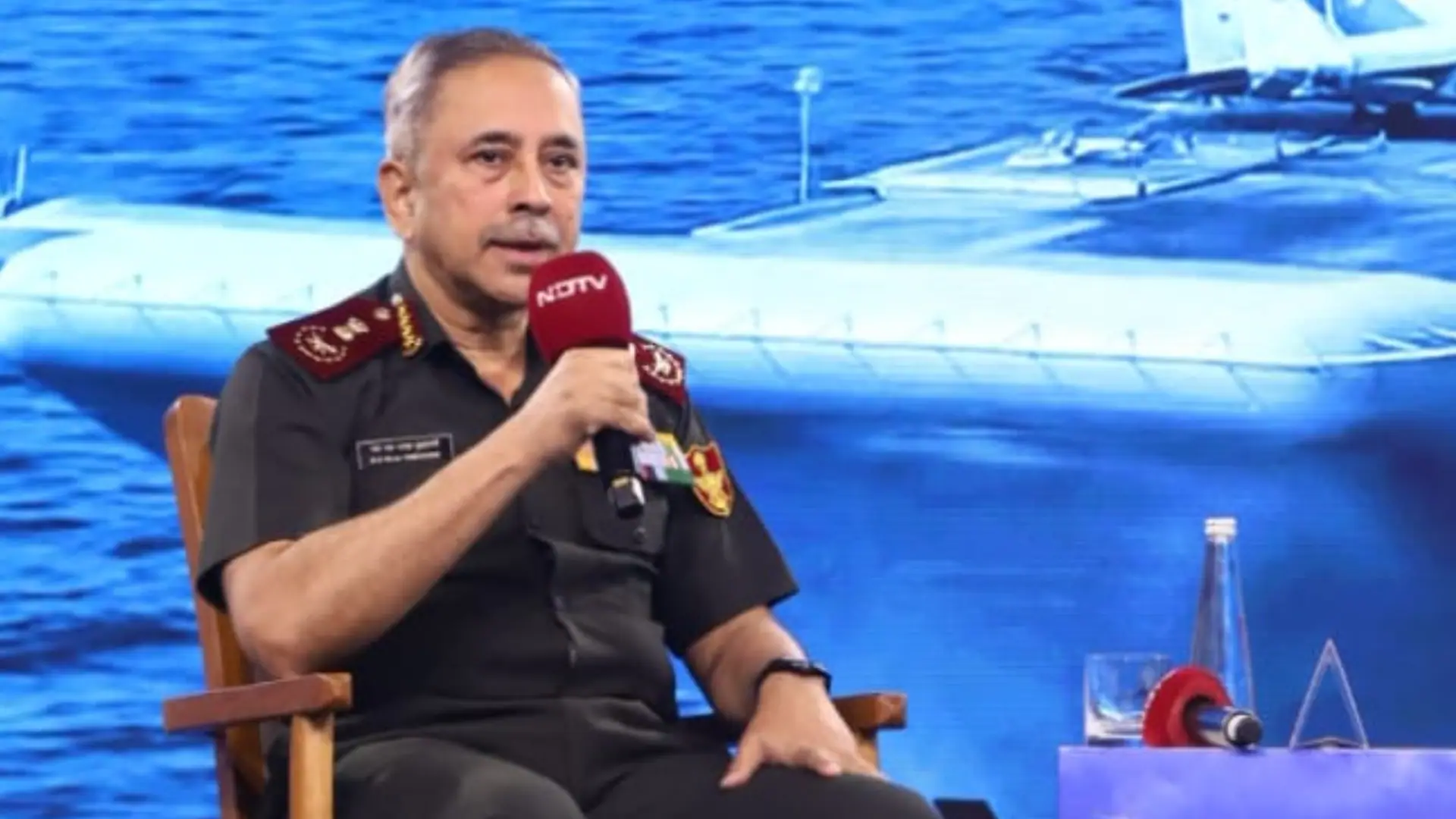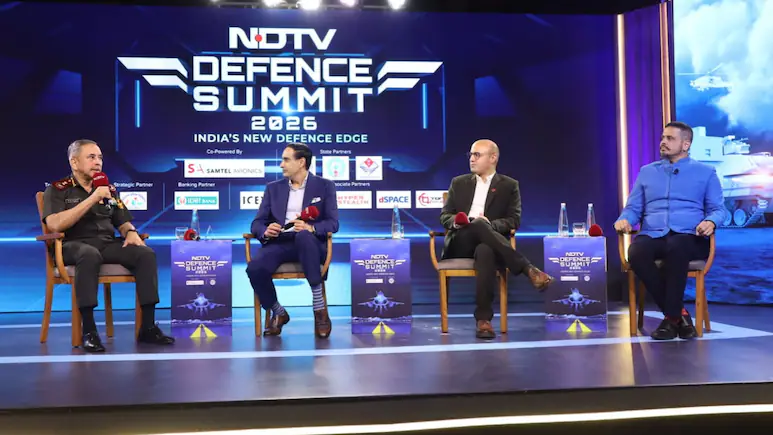
India is not letting its guard down when it comes to Pakistan or China and measures are in place to ensure that territorial sovereignty can be guarded, the country’s top military leader has said.
“There is no doubt that future wars have to be fought in an integrated manner. And I will not only talk about fighting it through operational integration, but we also need to look at it in terms of capability integration. We do not now need to say what the Army will do, what the Navy will do, or what the Air Force will do. What we need to talk about is the effect that we desire to be executed, the capability we require for that effect and how we are going to do it in an integrated manner. “As armed forces, it is our mission and also our job to ensure that our borders are safeguarded.
The groundwork for theatre commands has already been laid, and I am sure that it’s just a matter of time before it comes into place,” the General said. Asked about the situation at the border with China and how things have progressed since the flare-up in Eastern Ladakh, General Subramani said there is stability. Pointing to meetings between Chinese President Xi Jinping and Prime Minister Narendra Modi, most recently at the BRICS summit this month, the CDS said the two armies have contacts at the ground level and meetings take place from time to time. We do not let our guard down and we have adequate measures to ensure that we are able to guard our territorial sovereignty…The situation on the border is, at the moment, quite stable and I don’t think there is any cause for concern,” he said. On the lessons learned from Operation Sindoor, which was India’s response to the terror attack in Jammu and Kashmir’s Pahalgam, the CDS said the objectives were met and, like all armed forces, the Indian military continuously prepares and carries out contingency planning for future situations.

Constant pressure is exerted on terrorists, whose numbers are declining, so that they are not able to mount any attacks on the forces or on citizens.
The situation in the Kashmir valley, he said, is stable and the credit for that goes to “a whole-of-government” approach and the integration between the armed forces, the police, the central armed police forces and the intelligence apparatus.