
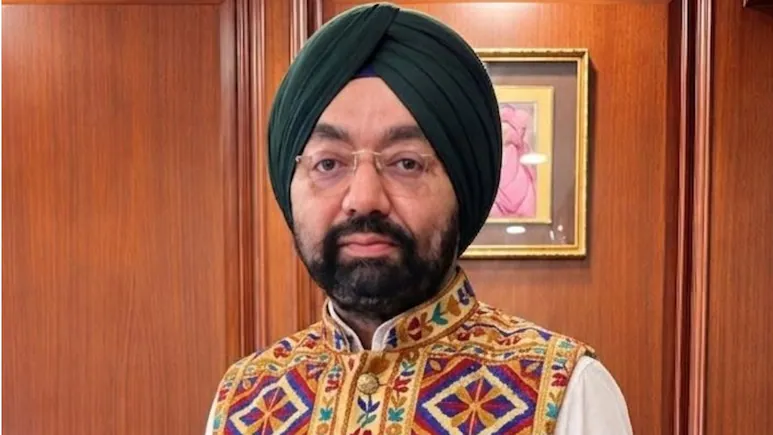
A claim that 25 to 30 lakh people have been converted in Punjab has brought the contentious issue of religious conversion back into focus, with Rajya Sabha MP Vikramjit Singh Sahney saying Sikh religious institutions also need to introspect over their failure to address the issue.
Sahney said alleged conversions were being driven by factors including superstition, claims of miraculous cures, treatment of illnesses, and various forms of inducement, particularly exploiting the vulnerabilities of people facing social and economic difficulties. Speaking to NDTV, Sahney said institutions including the SGPC, Khalsa Diwan and other Sikh religious bodies had failed to effectively curb the practice. He said the institutions needed to introspect and understand why sections of the community were becoming vulnerable to such outreach.
The drug crisis was another major focus of the Punjab Chintan Baithak. The meeting also discussed caste discrimination and social exclusion, with Sahney pointing to instances of separate gurdwaras and cremation grounds for certain communities. The meeting resolved to expand the Shiksha Langar initiative, focusing on higher education, fee assistance, skill training, and employment opportunities for needy and marginalised youth.
Sahney, however, also faced questions over the BJP’s record on the drug crisis, given that the party was part of the Akali Dal-BJP government in Punjab between 2007 and 2017. Sahney claimed that more than 30 lakh young people in Punjab were affected by drugs in some form and said enforcement alone could not resolve the problem.
Addressing a BJP rally in Moga in March, Union Home Minister Amit Shah said religious conversions had reached alarming levels under the AAP government and promised that if the BJP formed the government in Punjab, its first Bill would be aimed at banning religious conversions. He said eliminating such discrimination was essential to preventing alienation among marginalised sections.
The issue had already become a political talking point earlier this year.
