
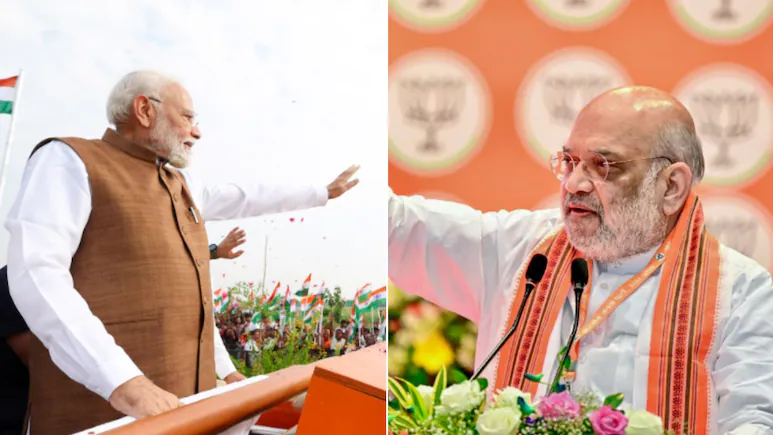
The BJP has begun mapping out its Uttar Pradesh assembly election campaign, and each of its top three leaders has been handed a separate battlefield.
Sources told NDTV that Prime Minister Narendra Modi, Home Minister Amit Shah and BJP chief Nitin Nabin will run a coordinated push across the state through November and December.
The larger plan, according to sources, is to combine the top leadership’s high profile campaign with a more intensive organisational push on the ground.
PM Modi is expected to address large regional rallies that cover every commissionerate in Uttar Pradesh. Home Minister Shah will concentrate on the districts, where he is likely to hold targeted rallies and keep a close watch on organisational micro management. The big rallies will set the tone for the campaign, while the steady work in districts and constituencies will make sure the message actually reaches people in every part of the state. For Uttar Pradesh, a key Hindi heartland state, the party appears keen to leave no region untouched. Alongside the campaign led by its senior leaders, the BJP is also getting its organisational cells ready. The exercise will be led by VD Sharma, former Madhya Pradesh BJP chief and national convenor of the party’s Prakoshth-Sankul Cell. The meeting comes soon after Shah’s recent visits to the state and the party’s mega state executive committee meeting.
The party has split the campaign into three levels, according to sources. Nitin Nabin, sources said, will take charge at the assembly constituency level, with frequent tours and sustained contact with voters. The thinking behind the plan is straightforward, sources said. Sources told NDTV that the party wants these cells to reach different sections of society and various occupational groups across Uttar Pradesh. The focus, they said, will be on taking the party’s outreach beyond big rallies and into local networks, where communities and workers can be engaged directly. Sources said the cells are expected to play a key role in the party’s election micro management and in understanding what local communities are worried about. Sources said the cells are expected to help the party identify local concerns and stay in regular touch with different sections of society as the campaign gathers pace.
