
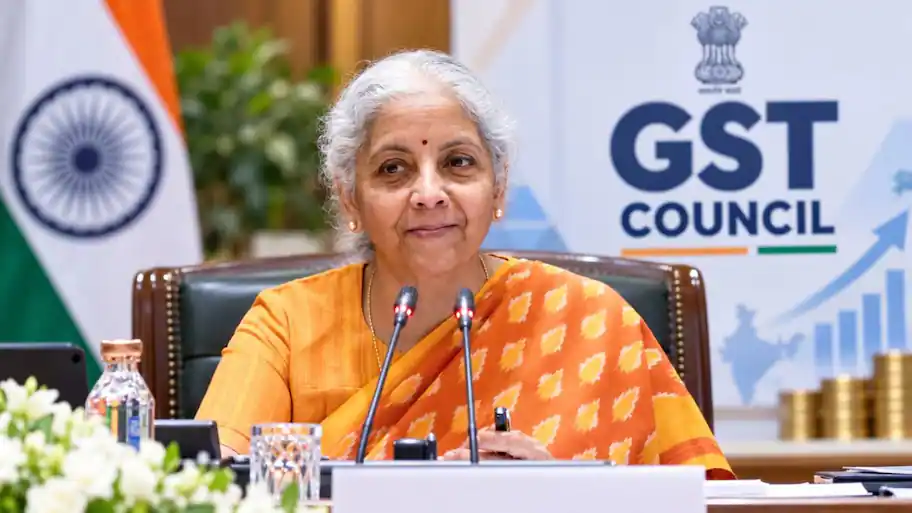
Businesses dealing with GST will soon face fewer legal risks and less paperwork after the GST Council approved a major set of changes on Thursday. Tax officers will no longer have the power to arrest people under GST rules, prosecution will generally start only in cases above Rs 5 crore, and eligible businesses will get refunds much faster.
The changes announced on Thursday mainly affect how businesses deal with the GST system. Routine changes in GST registration will also become simpler. Some changes that currently need approval from a tax officer will be accepted automatically. For small businesses, this can mean fewer visits, fewer delays and less dependence on officials for basic registration work. The Council also widened the list of expenses on which businesses can claim input tax credit, or ITC. ITC simply means that if a business has already paid GST while buying something for business use, it can adjust that tax against the GST it has to pay later. More categories, including some insurance and telecom-related expenses, will now be covered. This can lower the actual tax burden for many companies. Finance Minister Nirmala Sitharaman made it clear that GST rates have not been changed in this meeting. “No rate changes have been made. So, for consumers, the tax charged on goods and services will stay the same for now. Some of the changes need amendments to GST law and rules before they can take effect.
The wider reform package is expected to be implemented from April 1, 2027.
The rate structure is settled,” she said.
The biggest change is that GST officers will no longer be able to arrest taxpayers under the existing GST system. The council also raised the amount involved before prosecution can begin. In simple terms, smaller tax disputes are more likely to be dealt with through recovery, interest and penalties instead of criminal proceedings. Businesses often complain that GST refunds take too long and block their money. The Council has now decided to speed up this process. This is especially useful for exporters and businesses that regularly wait for large amounts of money to come back through GST refunds.
Earlier, prosecution could be started in cases involving Rs 1 crore. That limit has now been increased to Rs 5 crore. The time taken to acknowledge a refund request will be reduced from 15 days to 10 days. The government has also said that 90 per cent of eligible refund claims should be paid within three working days.
For a shop owner, trader, exporter or company, this means a tax dispute will not automatically carry the same fear of arrest that existed earlier.
