
Edited by: Nikhil Pandey
India News Oct 23, 2026 10:48 IST Published On Oct 23, 2026 10:48 IST Last Updated On Oct 23, 2026 10:48 IST From 2027, inactive or removed SIMs could block access to messaging accounts.
The measure would require messaging platforms to ensure their services work only when an active SIM linked to the account is present in the device. Authorities believe a tighter link between messaging accounts and active SIM cards will make it more difficult to misuse Indian numbers for cross-border fraud. The status of Signal remains unclear, with reports indicating that the platform had not responded to government communications when the issue was reviewed. The proposed restrictions are linked to SIM verification and account authentication, rather than device brands or operating systems. The changes could have the greatest impact on users who keep the registered SIM card in a secondary phone while using WhatsApp on another device, those who remove the SIM after completing account set-up, and those who rely primarily on Wi-Fi and rarely use mobile services. Users with dual-SIM devices may also need to ensure that the number linked to their messaging account remains active and compliant with platform requirements.
The government has also cited significant financial losses suffered by Indian consumers due to cyber fraud as a key reason for tightening regulations. Users of WhatsApp, Telegram and other messaging apps may need to keep their registered SIM cards active in their phones from January 1, 2027, under the government’s proposed SIM-binding rules. The Department of Telecommunications (DoT) has set December 31, 2026, as the compliance deadline for messaging platforms to implement SIM-binding requirements aimed at curbing cyber fraud and the misuse of Indian mobile numbers. The information available so far does not suggest that WhatsApp will stop working on specific iPhone or Android models from January 1, 2027. The government extended the compliance deadline for the rule to December 31, 2026, following representations from the industry. (With inputs from agencies) Show full article
“Miscommunication By Eiffel Tower”: BAPS Monk On ‘Women Sidelined’ Claim Exclusive: BAPS’ Brahmavihari Swamiji Explains Why AI Can’t Replace Humanity Yoga, Millets To Vaccines, Jaishankar On How India Is Building Stronger Ties NDTV World Summit Day 2: Navigating A World In Transition “US Protecting Its Interest”: S Jaishankar On Trump’s Oil Deal With Russia S Jaishankar’s ‘Indira’ Reminder After Rahul Gandhi’s Marco Rubio Jibe Best Of NDTV World Summit 2026 | Defining Conversations, Big Ideas PM Modi Says ‘Parasite’ Congress Hurts ‘Honest’ Dissent Movements “World That Relied On India’s Brainpower Now Trusts Its Mindpower”: PM Modi Non-Oil Trade With India Went Up 50% In 3 Years: UAE Minister At NDTV Summit The government’s decision is part of a broader effort to combat cybercrime, phishing operations and so-called digital arrest scams. Fraudsters have exploited Indian mobile numbers by purchasing SIM cards, registering messaging accounts and then operating those accounts from outside India, according to the DoT.









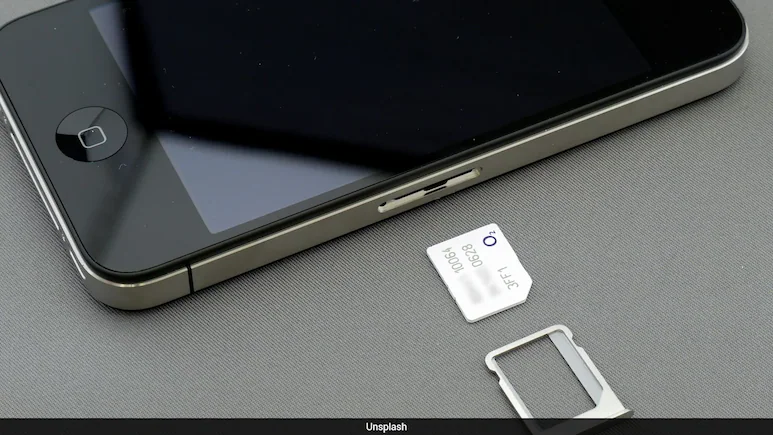
From next year, users could lose access to their messaging accounts if the SIM linked to the account is removed, deactivated or replaced. Under the proposed framework, messaging apps that use Indian mobile numbers for registration would have to verify that the registered number is linked to an active SIM card or eSIM present on the device. In practical terms, users may no longer be able to access an account indefinitely after removing the SIM card used to create it. If the registered SIM is removed, replaced or becomes inactive, the app could suspend functionality until the same number is restored through a valid SIM card or eSIM profile. However, reports suggest that Snapchat is unlikely to be covered by the SIM-binding mandate. The rules are expected to apply to both physical SIM cards and eSIM profiles. What is SIM binding? SIM binding is a proposed rule requiring messaging apps such as WhatsApp and Telegram to remain linked to an active SIM card, ensuring accounts can be traced to a live, KYC-verified mobile connection. In simple terms, a messaging account would need to remain connected to a live, active and KYC-verified SIM card. If the SIM is removed, deactivated or no longer active, the messaging service could stop working under the proposed rule.
Because they rely on phone numbers for user identification and registration, whatsApp and Telegram are among the messaging platforms expected to fall within the scope of the requirements. Because they do not use a physical SIM card, as long as the registered mobile number is associated with an active eSIM on the device, users are unlikely to face issues solely.
The DoT says the measure is intended to prevent scams, phishing attempts, impersonation calls and other cyber frauds carried out through accounts that remain active even after the associated SIM is no longer in use.
