The firing targeting Bollywood actor Tiger Shroff in Mumbai’s Juhu area on Sunday evening has brought the spotlight back on the networks of organised crime that use shootings and threats to project power. The Lawrence Bishnoi gang has claimed responsibility for the attack, but investigators still need to establish the full chain of involvement and the circumstances surrounding the shooting. In the past Bollywood has seen threats issued to actor Salman Khan, firing at his Bandra residence and the cold-blooded murder of politician Baba Sidddique.
Behind all of this lies a wider question: who carries out these attacks on the ground and how are these young men recruited? Across Delhi, Haryana, Punjab and Rajasthan, young boys and men are being drawn into the world of crime and gangs. Some are recruited through friendships, social media and local connections. Others are attracted by the promise of money, power, glamour or a better life. In some cases, prison also becomes the place where they come into contact with established gangsters and are drawn deeper into criminal networks. NDTV travelled across Delhi and Haryana to meet young men accused in serious criminal cases to understand what draws them into gangs, what they are promised and how they get trapped. His story is just one of many. Once they enter the gang network, getting out can become difficult. In prison, they may receive protection from one gang while also coming to the attention of rival groups. Personal disputes, financial problems and other vulnerabilities can then be used to pull them further into crime. The gang networks also continue to operate from inside prisons. Gang leaders lodged in jails, as well as those operating from abroad, remain connected with their associates and, in some cases, continue directing criminal activity from thousands of kilometres away. Gang rivalries can continue even inside high-security prison wards. Tillu Tajpuriya, an accused in the Rohini court shootout that killed rival gangster Jitender Mann alias Gogi, was killed inside Delhi’s Tihar Jail. Despite restrictions on mobile phones, investigators have repeatedly raised concerns over their use by inmates to stay in touch with associates outside. Multiple accused narrated that kancha (marbles) are smuggled into prisons including Tihar. Minors end up in juvenile homes. First-time offenders, often still outside the police’s radar, can find it easier to get bail. For gangs, that makes young, inexperienced offenders useful and expendable. Young men are increasingly being drawn into organised crime through friendship, social media, easy money, status and connections forged inside prisons. Sirsa’s photos with guns had gone viral after Moosewala’s cold-blooded murder by the Lawrence Bishnoi gang. When these young recruits are arrested or are no longer useful to the gang, they can be left caught between the police, rival gangs and a society that may be unwilling to accept them back. For some others, even odds favour them; they continue to fill vacuums when other gangsters are killed like fugitive gangster Himanshu Bhau, arch rival of the Bishnoi alliance. “There is also a growing fascination with big cars like the Scorpio, Fortuner and Thar. These symbols of power and status attract young minds. Advocate Ashish Kumar Kanth Social media is adding to that attraction, investigators and legal experts say. Gangsters are increasingly projecting themselves as influencers, with fan pages also emerging online. Guns, money, cars and swagger are put on display, glamorising crime and making gang life appear aspirational to young people. “Social media does play a huge role. Even if they come from good schools, they can still be highly impressionable,” Special Commissioner (Crime Branch) H.S. After crimes are committed, in India and even abroad, claims of involvement are sometimes posted on social media turning acts of violence into a way of building an online image and projecting power. It is often these recruits who are arrested and left to face the consequences, while those higher up the chain remain out of reach. “Adolescents have an attention-seeking mindset, and social media plays a big role. If you post about a rose or a flower, nobody is going to pay attention. “Sunny Salempur had called me and asked me to drop them at the location. The men I dropped went ahead and killed people. He is Salempur’s cousin. Those men later carried out the murders. “We don’t know who will get killed. There is fear outside. Now I can’t go to the ground to practise. I am scared. I have to take five people with me. Rival gangs keep track. When a gang carries out an attack, it can involve a complex, multi-layered operation with a maze of intermediaries. Multiple gang leaders may use their networks to recruit different people for different tasks, often from different locations. Those involved may be given only limited information about the operation and may not know the full plan or who the shooters behind it are personally. The deeper the chain, the harder it is for investigators to trace the real masterminds and secure a conviction against the main gangsters. “They say, ‘Kill this person’. “Some do it for money, some for brotherhood. Once they have committed a murder, they think, ‘What difference will another make? But investigators say the reasons young people get drawn into gangs are far more complex and require state level accountability. “The basic factor is lack of education and employment and lack of opportunities. The question comes whether all the young people lacking opportunities choose the path of crime or not. The answer is no. “Accountability ultimately lies with the state, and society is also responsible. Education is the crux, and so is channelising the energy of young people. Sagar, Sahil and two others were arrested for allegedly firing at the singer’s gym in New Delhi’s Paschim Vihar. Investigators have alleged that the shooting was carried out at the behest of the Lawrence Bishnoi gang and the Anil Pandit organised crime network. Sitting in his house in Rewara village, Satyawan, Hakikat alias Sahil’s father cried as he talked about his son. “How did all of this happen? Sagar and Sahil are cousins. “There are three charges against him.
Jails can therefore become a place where gang contacts are made, alliances are formed and, allegedly, criminal operations are coordinated. There should have been a system to observe those dropouts and regulate them into the education system, provide them with skills, provide them with employment, so that their energies are channelised,” the IGP said. For instance, Sidhu Moosewala’s killer Ankit Sirsa was just 19 when he fired upon the Punjabi singer along with other accused. Bhau had entered the world of crime at the age of 15. Teenagers, especially those between 16 and 18, are at a very impressionable age. Dressed in a brown shirt, his head hanging low, another accused, a 25-year-old stood. Even though he is now out, a former Kabaddi player, the 25-year-old now continues to fear for his life. A photo is shared, and a time is given,” the 25-year-old said. He said two men who were in the same prison as him were allegedly offered Rs 5 lakh in cash and a Scorpio to carry out a crime.
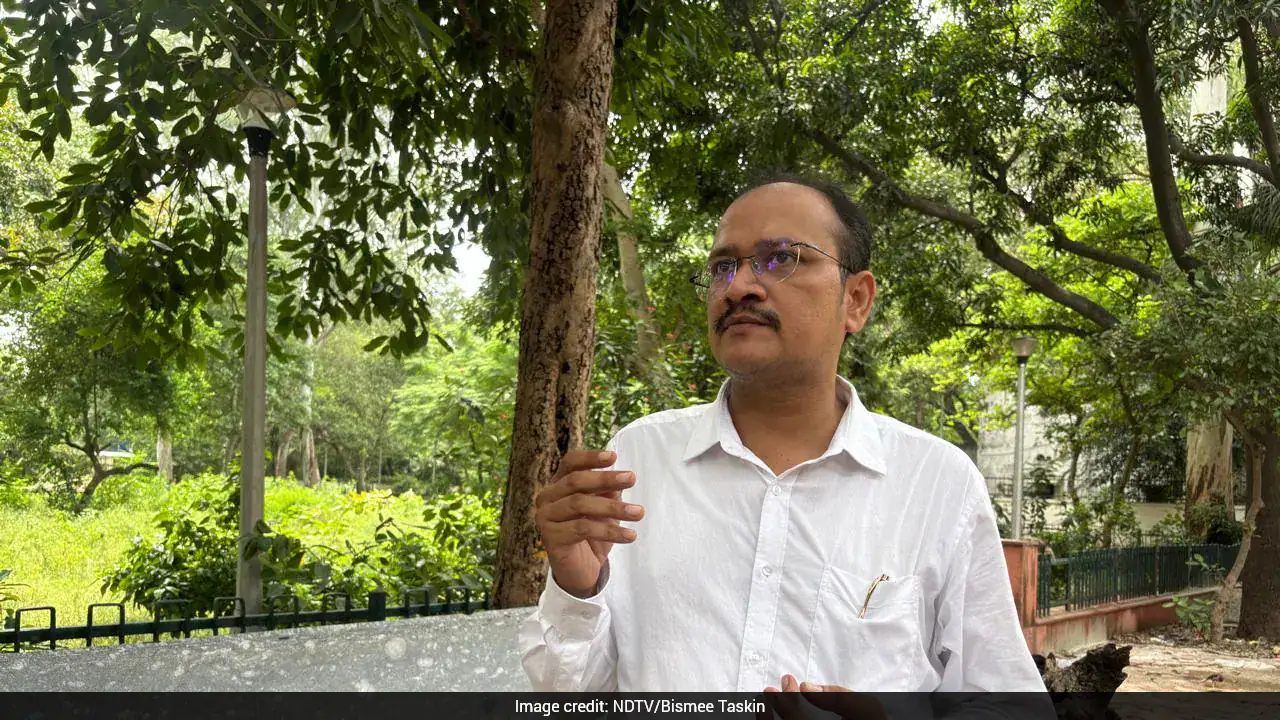
“In Delhi, I am unable to stay at home,” he added, showing his gunshot injuries sustained during a police encounter. Questions have also been raised about the access and privileges enjoyed by some “high-profile prisoners” – including how they maintain contacts, communicate with people outside and, in some cases, continue to influence criminal activity while in custody. “Smack is packed in packets and passed inside the jail and sometimes even the security personnel give smack or give access to phones,” the 19-year-old said. What starts with friendship or in their language “bhaichara” or social media can therefore become a vicious cycle of crime that is difficult to break. “Juveniles are often attracted to the idea of power – and that power is associated with guns and weapons, along with a belief that even if they commit a crime, the police or courts cannot do much,” advocate Ashish Kumar Kanth told NDTV. Dhaliwal said. But if you post about a gun or a button-activated knife, even people who don’t follow you may start liking your post and following you, if your profile is open,” advocate Kanth said. So I was arrested in the case,” he said. He said Sunny Salempur asked him to carry out the task. Salempur told him that “brothers will come” and that they should be given accommodation, according to him. None of the men knew each other from before but only met each other in jail, according to the accused that NDTV met. They go on to commit five to seven more,” he said. IGP, Haryana Special Task Force (STF), B Satheesh Balan said the lack of education, employment and opportunities can play a role. If they are given the right direction and the right skills, they can choose the right path,” IGP Balan said. I have no support,” he said. Teejo, Sagar’s mother sits at their house and wonders when her son will be back Teejo, Sagar’s mother echoed similar sentiments and said when she met her son in prison he told her that his gunshot injury aches. He had told me he is going to Amritsar,” she said.
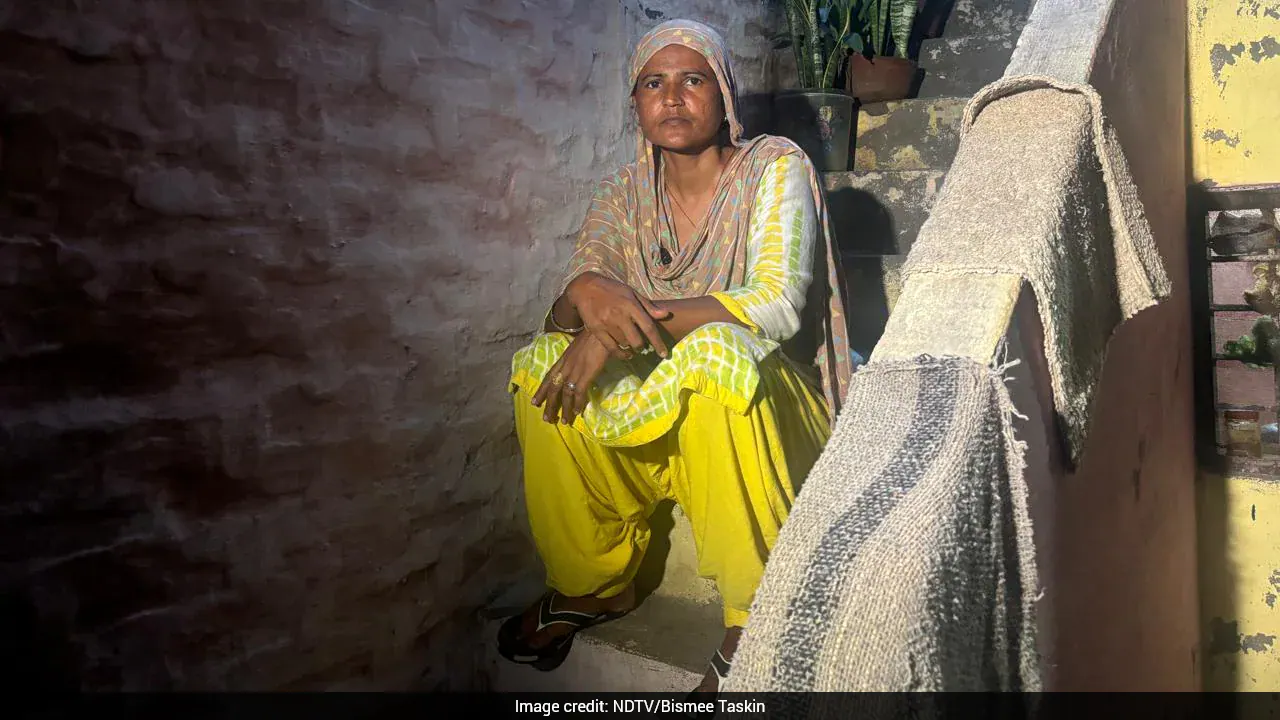
But social media is only one part of the vulnerability. “Kattas are cheap in the village. They are kept in rice containers and other places and transferred from one place to another. The fallout is devastating: families destroyed, multiple boys from the same family caught in cases, and gangsters becoming role models, even Gods, for impressionable young recruits. Shubham Pandit is a friend. He was out on bail, and I had financial transactions with him. All my family members are in the armed forces. As for the families, the arrest is only the beginning of another struggle. A son behind bars means fighting for bail, navigating a long legal battle and, for some families, struggling even to afford a lawyer. The gang may move on after using a young recruit. But the family is left to deal with the financial, legal and personal consequences. In Haryana’s Gohana tehsil, the families of men accused of firing at Punjabi singer Guru Randhawa’s gym in Delhi say they are struggling to understand how to help their sons.
On access to weapons, the 19-year-old said, kattas (country-made pistols) are easily available in villages. “I came out of jail just 10 days ago.
Dhaliwal said economic hardship, particularly in rural areas, as well as family feuds and personal rivalries can also be exploited to draw young people into crime. For better guns, foreign contacts matter here,” he said. No one in my family had ever been to jail before,” he said, maintaining his innocence to the actual crime.
But why target the young? Then, after the crime, no one bothers. “When you enter jail, one gang supports you. If you don’t, another gang will approach you. Gangs keep changing,” he added. “Gangs use these boys. They talk to them, and that is why they do it.
Because they can be easy recruits. Because salempur is a relative, explaining how young men are lured in, the 25-year-old said, “I got stuck in this. Because of that, they ask you to do something outside.
But in most cases, initially, they pay Rs 10,000 to Rs 20,000.
I spoke to them, so here I am,” he said.
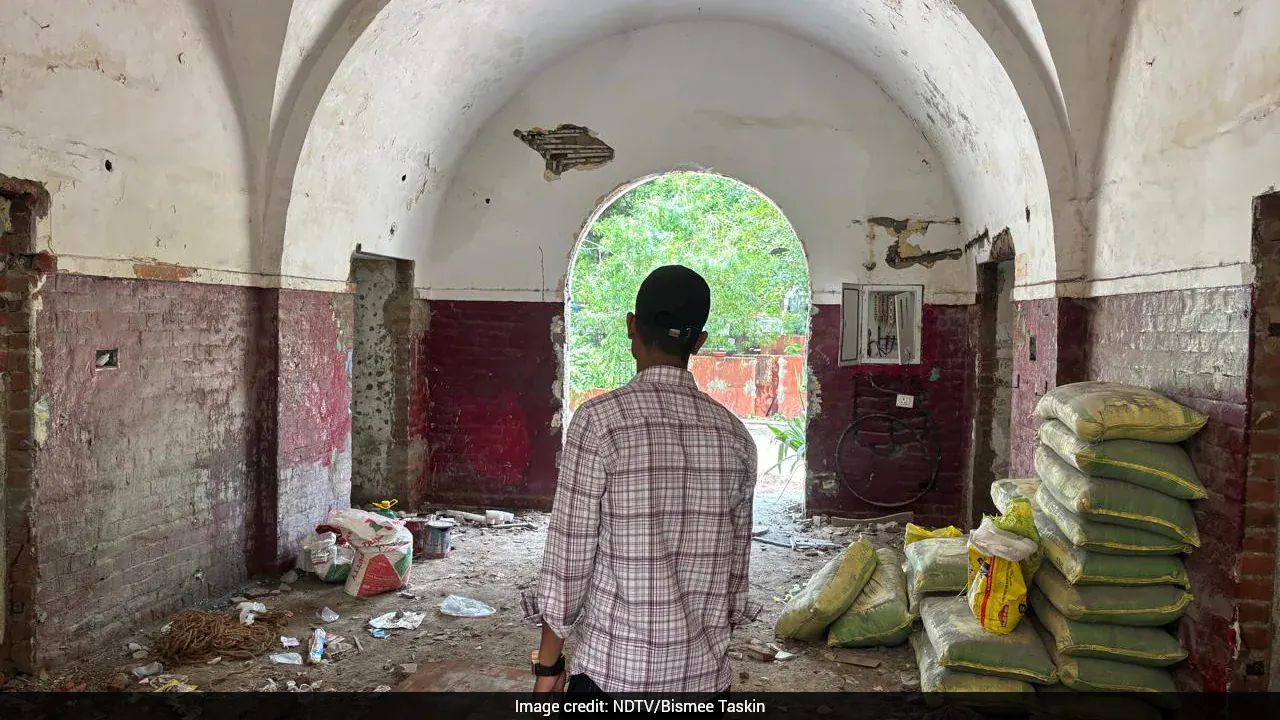
“My friends garlanded me. He has been acquitted in one case, while two other cases remain pending. Dressed in a checked shirt and a black cap, he sat down to describe how, at a young age, he entered the world of crime, from a juvenile home to Delhi’s Tihar Jail. “I wanted to be an MMA fighter. He is currently out on bail, and the state is seeking to have him and his co-accused tried as adults. For some young men, it starts with friendship. A friend introduces them to a group, and what begins as a casual association can gradually pull them into crime. For others, social media plays a role. Gangsters project an image of money, power, glamour and status, making the lifestyle appear attractive to young people. Some are even promised a better life abroad. The reasons for getting drawn in can be different – poverty, lack of education, financial desperation or simply peer pressure. But whatever the entry point, what may begin with friendship, a promise or a desire for a better life can eventually pull them deeper into the criminal world. Started bunking with them, smoking, and then crime. He described how young offenders can come into contact with bigger criminals inside prison. “They tell you, ‘Babu, tu ye kar de. The recruitment networks can also stretch across borders. A classified Canadian intelligence report found that the Lawrence Bishnoi gang exploited Canada’s student visa and work permit system to recruit young Indians for extortion, shootings, murders and other organised crimes. The report cited the case of Abhjeet Kingra, who arrived in Canada on a student visa and was later recruited as a shooter after struggling financially. All of them are school drop outs. He is another fugitive gangster, Shubham Pandit’s neighbour.
“I got involved due to my friends. Another 23-year-old, accused in the same case, said he had to drop out of school after his father’s death due to financial strain. They told me who I had to take money from,” a 19-year-old said, describing his return to the neighbourhood after being released from prison. The 19-year-old has been acquitted in one case, while two other cases remain pending. Beside him stood another 20-year-old, accused in a murder case. From school it just escalated and it’s not ending,” the 19-year-old said, adding that he now knows the ins and outs of how gangs operate. As he tries to avoid getting drawn into crime again, the 19-year-old said he has no plans to return to Delhi. Accused in a triple murder case in North India, the 20-year-old had just come out on bail when he spoke to NDTV about how he was drawn into it. Multiple men in the age group of 20-25 are accused in the case, though out on bail, are now awaiting trial. The 20-year-old said that fugitive gangster Sunny Salempur, described as a close associate of gangster Noni Rana and the brother of jailed gangster Kala Rana of the Bishnoi network, had called him for what appeared to be a simple drop-off.
They said, ‘Bhai is back. I was a good student, but now I am stuck in this loop,” he said. Money, fame and drugs can become entry points into gang networks, while gang members offer help and promise support, according to him. Do mahine mein bahar’ (Do this, and you will be out in two months),” he said. It also said Goldy Brar, who entered Canada on a student visa, helped expand the network by recruiting young Indians living there on study or work permits.