
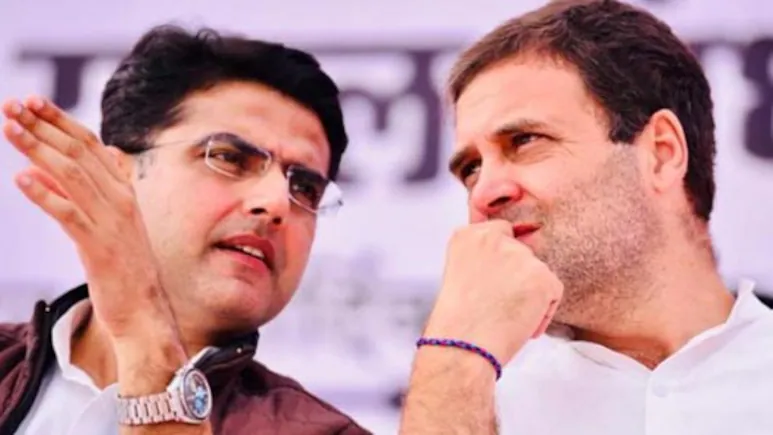
The reshuffle within the Punjab Congress has not only surprised the party’s local unit but also sent a clear message that the central leadership has its own feedback mechanism and does not rely on the input of any single individual.
As the person in charge, Baghel was expected to bring these factions together to strengthen the party. He, however, failed in this task, and there were allegations that he effectively became a faction unto himself.
The Congress High Command had sent Bhupesh Baghel to Punjab with the specific task of uniting the faction-ridden state unit. Currently, one faction led by Charanjit Singh Channi and Sukhjinder Singh Randhawa, while the Leader of the Opposition, Partap Singh Bajwa, and the State President Amrinder Singh Raja Warring, lead their own separate camps. As the state chief, Raja Warring also enjoys the support of the district presidents, as he was responsible for their appointments. In the report submitted to the Congress High Command, Baghel had recommended maintaining the status quo – specifically, retaining Raja Warring as the Punjab Congress President. At their meeting with the organization in-charge in Delhi, Channi and Randhawa had advocated for replacing Warring. All three are currently Members of Parliament. Partap Singh Bajwa, as the Leader of the Opposition in Punjab, meanwhile feels it is his turn to lead, even though the Congress central leadership has clarified that there will be no designated Chief Ministerial face and the election will be contested under collective leadership. Through this decision, the High Command has signalled that its opinion will be paramount in ticket distribution and its verdict final.
Channi, having previously served as Chief Minister and belonging to the Dalit community, feels entitled to the position; Randhawa, a former Deputy Chief Minister, aspires to an upgrade; and Raja Warring, as the Punjab Congress President, believes the Chief Minister’s post should go to him.
