
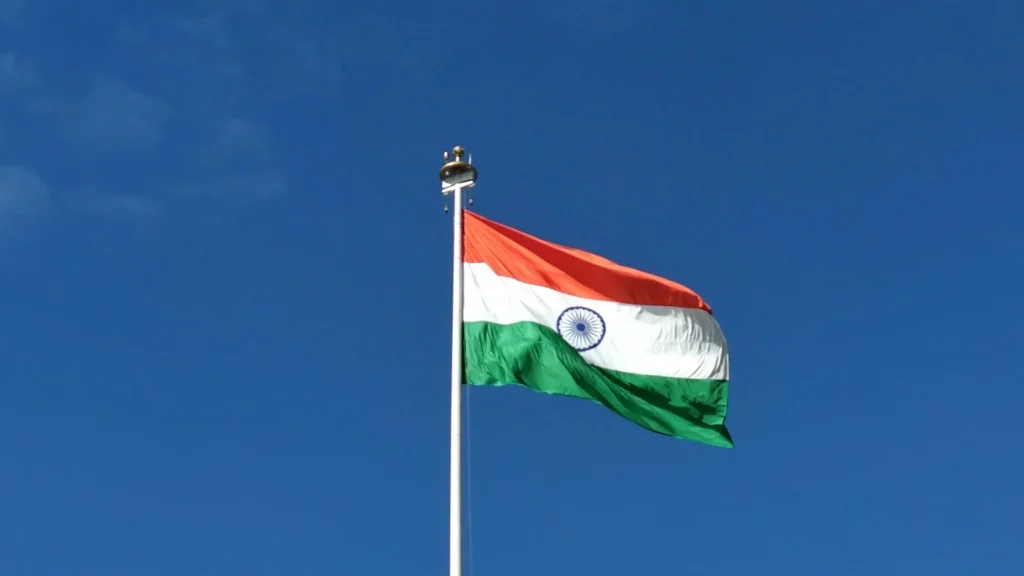
It gave effect to the plan announced by the last Viceroy, Lord Louis Mountbatten, which proposed British India to be divided and power transferred to the people of subcontinent. As India prepares to celebrate its 80th Independence Day on Saturday, August 15, 2026, the law that formally ended British rule in the subcontinent offers a reminder that freedom in 1947 came with a profound rupture: The creation of two new dominions, India and Pakistan. The Indian Independence Act, which was passed by the British Parliament and received Royal Assent on July 18, 1947, was the legal framework for the transfer of power.
For the new dominions, the transition was immediate but not identical to becoming republics. India and Pakistan initially remained dominions within the Commonwealth, with the British monarch represented by a Governor-General. Jawaharlal Nehru became India’s first Prime Minister, while Muhammad Ali Jinnah became Pakistan’s first Governor-General.
As per the UK Parliament website , the act was mean to “make provision for the setting up in India of two independent Dominions, to substitute other provisions for certain provisions of the Government of India Act, 1935, which apply outside those Dominions, and to provide for, other matters consequential on or connected with the setting up of those Dominions. In 2021, the Indian government established Partition Horrors Remembrance Day ( Vibhajan Vibhishika Smriti Diwas ) on August 14 to commemorate the victims and immense sufferings.
