
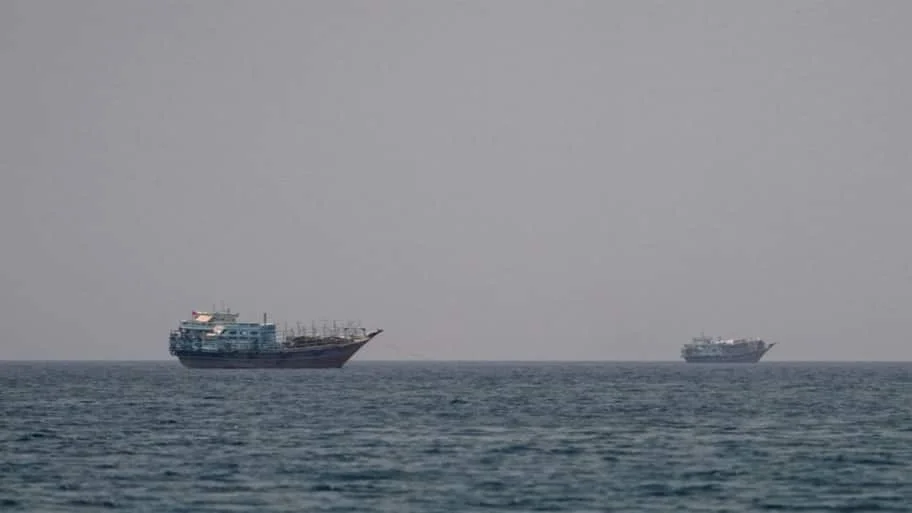
US-Iran Tensions: The prolonged shutdown of the Strait of Hormuz has created an unusual problem at sea. Hundreds of ships have been stuck for months across the Persian Gulf and the Gulf of Oman. This has given sea creatures much more time than usual to settle on their hulls.
Evidence and Data
A new report published in the journal Biological Invasions warns that when these vessels eventually sail again, they could carry large numbers of marine organisms into ports across the world. Professor Mario Tamburri, a marine ecologist associated with the University of Maryland in the United States who is the lead author of the study, explained why ships provide such a useful surface for these organisms. Many ships in the Gulf have now been idle for months. The movement of these organisms into new waters can cause environmental and economic damage. Invasive marine species can displace native organisms and, in some cases, contribute to the loss of local species. The researchers also warn that marine organisms transported on ships can carry harmful parasites and pathogens. The warm waters of the Gulf can favour species that tolerate high temperatures. If these organisms reach other areas and temperatures rise in those locations over time, they could gain an advantage over native species. The research team assessed shipping routes, journey times and environmental conditions to identify ports that could face a higher risk when vessels from the Gulf begin moving again.
Scientists associated with the study say the situation could turn into a major marine biosecurity problem, with ships acting as “super-spreaders” of invasive species. “If you were to design a worst-case scenario for biofouling and the spread of invasive species, you could not come up with anything better than this,” Tamburri said. “Once invasive species become established somewhere, particularly in marine environments, they are difficult to remove,” he said.
What It Means
“We are pretty confident that when the Strait reopens, there will be arrivals of invasive species. Some invasive species may be cryptic. They are there, but they are unnoticed or don’t have much of an impact. Others do,” he added.
