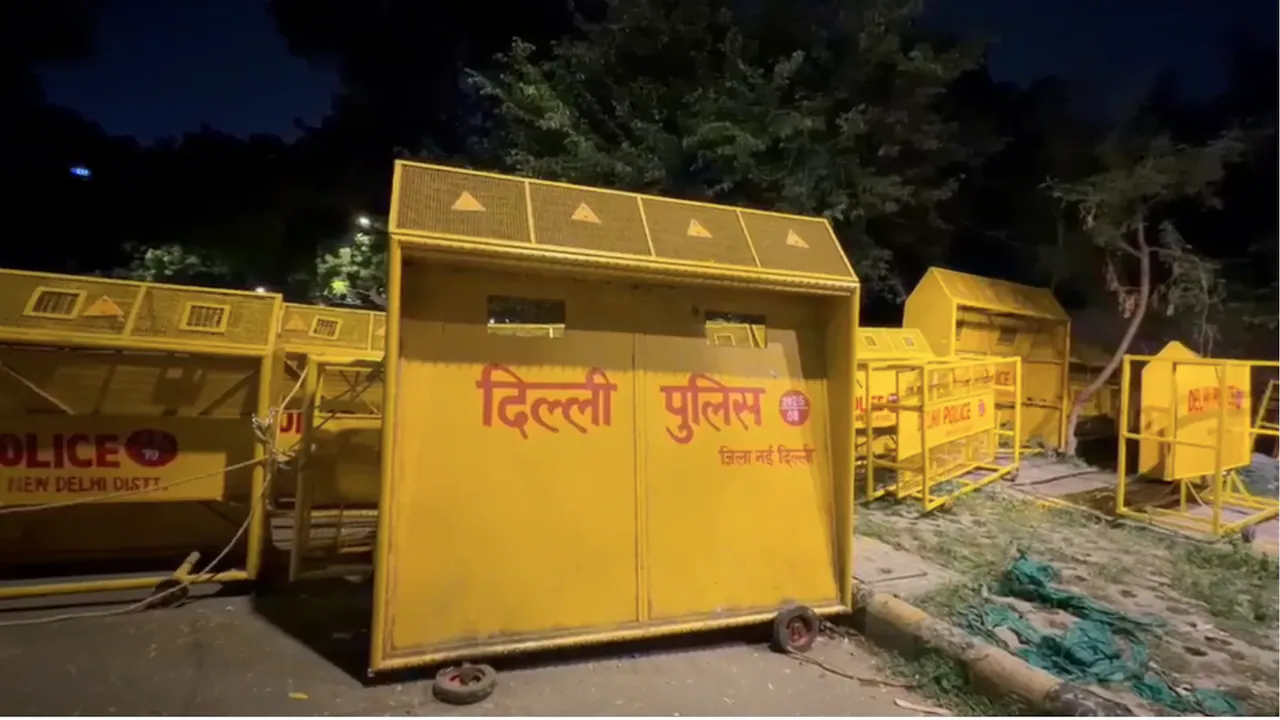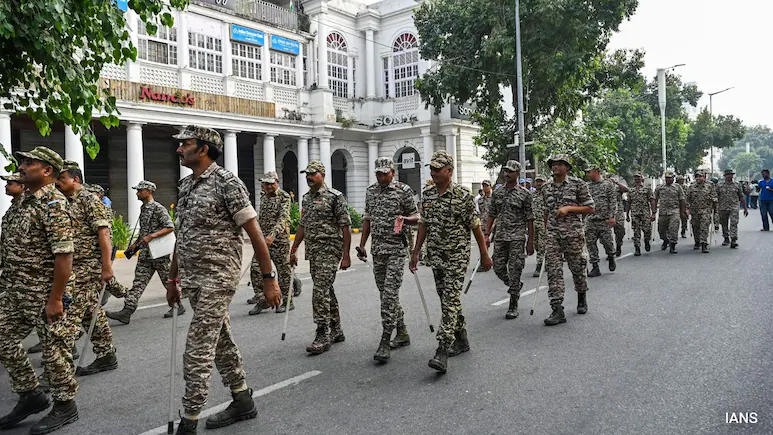
The Central government and the Delhi Police have filed affidavits before the Supreme Court defending the restrictions imposed on October 10 in parts of the Capital in the wake of a protest call by the Cockroach Janta Party (CJP).
Supreme Court had sought Home Secretary and Delhi Police Commissioner’s response on contempt petition filed over restrictions on October 10 during the CJP protest
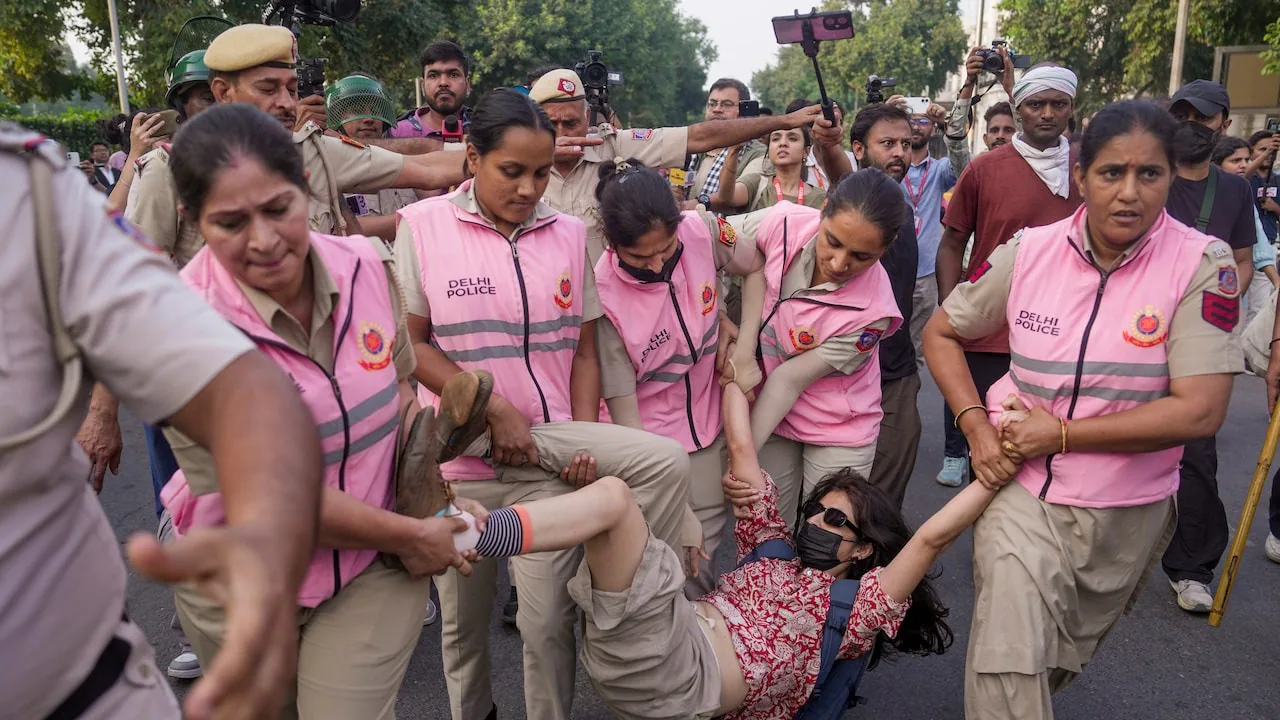
In the affidavit filed on Wednesday, the Centre maintained that the temporary suspension of internet services was necessary to prevent a disturbance of public order and constituted a proportionate response to the prevailing circumstances. The court directed the authorities to ensure that there was no complete prohibition on the movement of Delhi Metro trains and other trains entering the national capital, while allowing the regulation of services wherever necessary to maintain public order. Subsequently, a contempt petition was filed alleging non-compliance with the court’s directions. It maintained that the decision was not a wilful violation of the Supreme Court’s directions and sought relief from the contempt proceedings initiated against Union Home Secretary Govind Mohan in connection with the restrictions imposed during the protest. It further maintained that taking the protesters into preventive custody was necessary to maintain law and order. Photo Credit: PTI In the affidavit, the Delhi Police claimed that the protest organisers violated the prescribed conditions and mobilised people to march toward Parliament. Police have also maintained that restrictions on metro services were a precautionary measure. Asserting that the police did not wilfully violate the Supreme Court order and that the actions were in accordance with the law and to maintain public order, it has requested the Supreme Court to dismiss the contempt notice.
The Centre, in its affidavit, has defended its decision to suspend mobile internet services in parts of central Delhi on October 10 and has denied that it wilfully disobeyed the court’s directions. Read | ‘No Trains Cancelled During Protest’: Delhi Metro To Supreme Court On October 9, the Supreme Court intervened in the matter of restrictions placed on public transport ahead of the protest. During a special hearing on October 11, the Supreme Court issued notices to the Centre, Delhi Police Commissioner Anurag Kumar and Delhi Metro Rail Corporation (DMRC) chairperson D Thara, seeking their responses to the allegations. The Centre argued that the internet was suspended only from 10 pm on October 9 to 10 pm on October 10. The internet suspension was limited to a 4 km radius around Raisina Hill. Photo Credit: NDTV The affidavit also referred to the Delhi Police’s experience during a similar episode on July 20. In his separate affidavit filed late on Wednesday night, Delhi Police Commissioner Anurag Kumar informed the Supreme Court that permission was denied for the CJP protest in the wake of violation of conditions and violence during the earlier protest on July 20. Read | Accused Of Sex Abuse During Protest, Delhi Cop Files Case Against Journalist Under SC/ST Act Referring to the July 20 protest by the CJP, the affidavit pointed out that the organisers had committed to 1,000 protesters, but over 30,000 protesters gathered and a serious law-and-order situation arose. The affidavit also stated that during the July 20 protests, police personnel were attacked by the crowd and that about 240 men and women on duty were injured. Citing the protests that took place on October 6, 7, and 8, the affidavit noted that these events also led to issues concerning law and order and traffic. On the issue of permission for the October 10 protest, the police have stated that the CJP had merely provided notification regarding a protest at Jantar Mantar scheduled for October 10, but had not submitted a formal application seeking permission. There are a total of 303 metro stations in Delhi, and the restrictions were limited to only about 15 per cent of the network, according to the police.
Read | A Step Behind Neha Bora: What Rahul Gandhi’s Gesture Says About Congress’ Gen-Z Pitch In its counter-affidavit, the Centre said the decision to suspend mobile internet services was taken following a request from the Delhi Police, which had apprehended a possible law-and-order situation during the proposed demonstration. “The police force cannot permit any organization to disrupt law and order… if that organization was allegedly linked to incidents of mob violence, damage to property, and injuries to people during the July 20 protest,” the affidavit stated. Calling the measures “proportionate”, the Delhi Police chief said they were essential steps taken to uphold public order. Buses used to transport detained protesters were vandalised, and their tyres were damaged, according to the affidavit.