
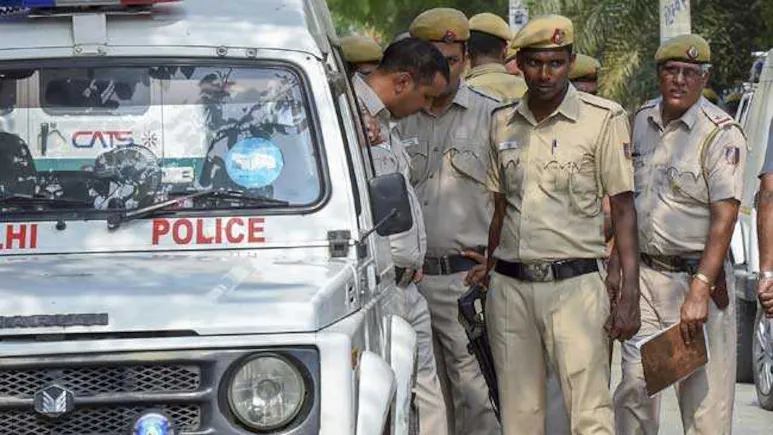
The Intelligence Fusion and Strategic Operations (IFSO) unit of the Delhi Police has busted a racket that used fake health camps to collect villagers’ identity details and activate e-SIMs for use in digital arrest cyber fraud.
Two men have been arrested, with investigators suspecting that more than 3,000 SIM cards were activated over the past year and linked to over 20 cyber-fraud complaints involving around Rs 2.64 crore.
The investigation also revealed communications between the accused and contacts associated with online groups, including foreign contacts. Investigators found that identity details collected from villagers under the pretext of providing subsidised medicines at fake health camps were being misused to obtain SIM cards. The accused organised these camps in different villages and forced residents to share their Aadhaar and biometric details. Payments were facilitated through USDT, a cryptocurrency pegged to the US dollar. Their identities and possible links to a wider network are being examined. The e-SIMs supplied by the accused are suspected to have been used in cyber-fraud activities, including digital arrest scams and the configuration of SIM-box systems. Three mobile phones were also recovered during the investigation. The police suspect that the accused frequently changed their phones and destroyed older devices to evade detection.
The accused have been identified as Jitendra Singh, 29, and Brajesh Kumar, 21. The arrests were made during a raid in the intervening night of October 20 and 21 in Village Kota, Sadar, Mathura, Uttar Pradesh, as part of an investigation into a digital arrest cyber-fraud case. The accused had been procuring, activating and supplying physical SIM cards and e-SIMs for around a year, trading approximately 20-30 e-SIMs a day, according to police. The accused procured activated e-SIMs for Rs 800 to Rs 1,200 each and resold them for around Rs 2,000, the police said.
They procured physical SIM cards and activated e-SIMs through various sources before supplying them to others through online platforms, according to the police.
