
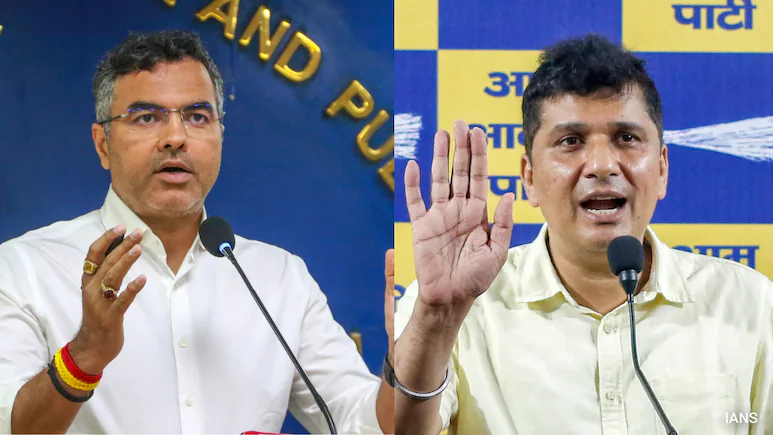
In a setback to Deputy Chief Minister of Delhi, Parvesh Verma, a court dismissed his criminal defamation case against Aam Aadmi Party (AAP) leader Saurabh Bhardwaj, adding that merely asking questions from a public representative cannot amount to defamation.
Delhi minister Parvesh Varma had alleged that Saurabh Bhardwaj lowered his reputation in the eyes of the public by making insinuations of corruption, nepotism through his posts. Parvesh Varma went on to mention more accusations levelled by former Delhi minister against him relating to a school trust and appointment of the Varma’s alleged close associate as a trustee there. In its order, the Delhi court emphasised that questions from a person acting as a representative of the public in the Parliament, regarding any law and order situation or for that purpose, any other matter, cannot amount to defamation. The court added that any contrary view will rather be a dark spell in the era of democracy paving way for utter disregard of the constitutional rights. Thus, he owes a duty to the general public not only to put questions to those in power but also to highlight their shortcomings, criticise the government actions and scrutinise their policies by acting as a watchdog, the court noted.
The Delhi court said there does not exist sufficient ground for taking cognisance of the offence and opined that posts and videos on X posted by Saurabh Bhardwaj were in the nature of questions asked with the purpose to criticise the government and not to defame anyone. “In a democracy, it is not only the right of the press and the public to ask the government questions, it is also the job of the government and the elected officials to, at times, listen to opinions which are different from their own,” the court said. He further said that the AAP leader, through his social media posts, made allegations that Varma used influence to favour some accused in a POCSO case. The Delhi Deputy Chief Minister said that Bhardwaj made these statements without any verification or due diligence, solely with ulterior motive of gaining political mileage and tarnishing the image of the complainant.
