
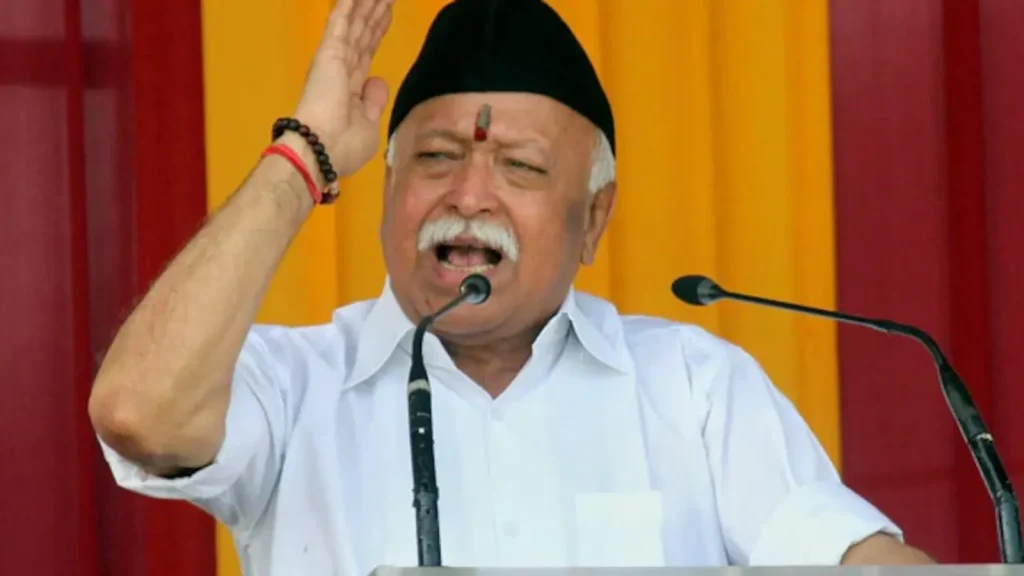
More than 100 Canadian organisations and civil liberties groups have written to Prime Minister Mark Carney and senior federal ministers in support of RSS chief Mohan Bhagwat’s proposed visit to Canada, urging the government to ensure that any decision on his entry is based on evidence and due process rather than political pressure.
The letter, addressed to Carney, Public Safety Minister Gary Anandasangaree, Immigration Minister Lena Metlege Diab and Foreign Affairs Minister Anita Anand, comes amid calls from NDP MPs Jenny Kwan and Heather McPherson, along with other organisations, for Bhagwat to be prevented from entering Canada and declared inadmissible. They described the Rashtriya Swayamsevak Sangh, or RSS, as a major Indian organisation known for community service, social initiatives, cultural activities and public discourse. The organisations argued that excluding Bhagwat without substantiated evidence could have wider implications for Canada’s Hindu community. At the same time, the signatories acknowledged that criticism and peaceful protest are legitimate.
The signatories said Bhagwat’s proposed visit was of “considerable interest” to Canada’s Hindu community, which the letter says includes more than a million Canadians of Hindu heritage. “These are exceptionally serious allegations,” the organisations said, adding that such claims should not be treated as established fact without “clear, credible and independently verifiable evidence. “Canada’s immigration and public safety decisions must be based on established law, credible evidence and due process, not speculation and political rhetoric,” the letter said. Such an action, they said, could create a perception that Canadian Hindus and their institutions were being held to a different standard. It said Hindus, like Canadians from other religious and cultural backgrounds, are entitled to dignity, security, freedom of expression, peaceful association and equal treatment. “Political disagreement and peaceful protest are legitimate,” they said, while maintaining that preventing a visiting leader from entering Canada on the basis of allegations not demonstrated with credible evidence would raise concerns about pluralism and fairness.
The letter placed the dispute within the broader Canadian principles of multiculturalism, freedom of religion and equality before the law.
