
The United Nations Security Council (UNSC) continues to play a significant role in international relations, although it is often viewed as outdated. Established in 1945, the UNSC was designed to mirror the geopolitical landscape following World War II. It comprises five permanent members—China, France, Russia, the United Kingdom, and the United States—each possessing veto power. In addition to these permanent members, the council includes ten non-permanent members who are elected for two-year terms. This structure aims to maintain peace and security globally, but its effectiveness and relevance are frequently debated in the context of contemporary global challenges.
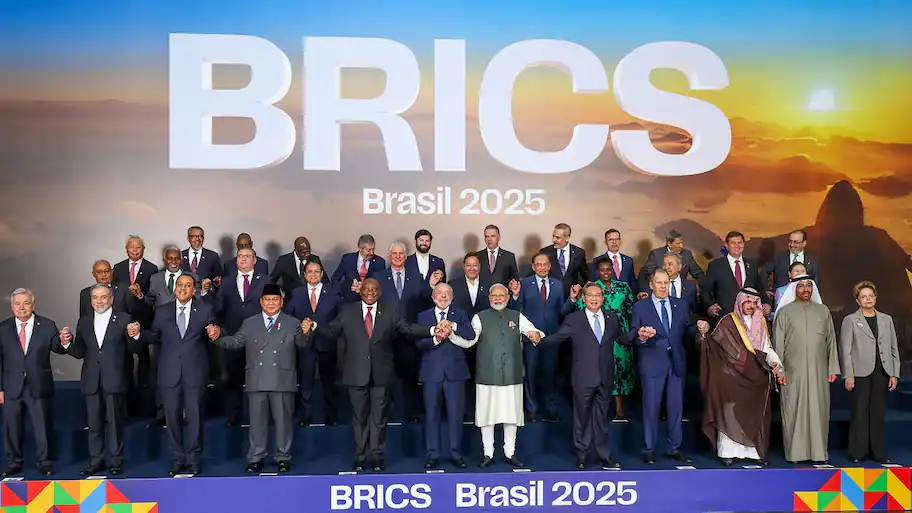
Calls for reform have intensified, and the expanded BRICS grouping has positioned itself as a leading advocate for change. Yet the question remains: can this diverse coalition forge a genuine consensus on how reform should proceed? The group now encompasses major powers from Asia, Africa, Latin America, and the Middle East, representing a substantial share of global population and economic output. Official BRICS declarations, including those from the Johannesburg, Kazan, and Rio summits, have consistently called for comprehensive reform of the UN, particularly the Security Council, to enhance the representation of developing countries from Africa, Asia, and Latin America. Russia and China have publicly backed the aspirations of Brazil and India for a greater role, including permanent membership. They have shown flexibility on the veto, proposing that new permanent members forgo it initially pending a review. South Africa aligns more closely with the African Union’s Ezulwini Consensus, which demands two permanent seats with full veto rights for Africa, selected by the continent itself, plus expanded non-permanent representation. These differences mirror the broader deadlock in UN Intergovernmental Negotiations. BRICS expansion has amplified the group’s moral authority as a voice of the Global South, yet it has also imported the very regional and national rivalries that stall reform at the UN. Ultimately, BRICS can amplify the demand for reform and coordinate positions among key Global South players, but it cannot substitute for the broader political agreement required among all UN members, including the permanent five. Meaningful change will demand compromises that transcend any single coalition. Until those materialize, the Security Council will continue to lag behind the world it is meant to serve, and expanded BRICS will remain more a symbol of aspiration than an engine of decisive consensus.
Today, with nearly 200 UN member states and a multipolar world order shaped by the rise of the Global South, this structure is widely seen as unrepresentative and increasingly ineffective. Their model typically envisions a Council of 25–26 members, with six new permanent seats (two for Africa, two for Asia-Pacific, one for Latin America and the Caribbean, and one for Western Europe and Others) and additional elected seats. Competing models from the G4, the African Group, the L.69 coalition of developing states, and the Uniting for Consensus group (which opposes new permanent seats in favor of more elected or longer-term seats) have prevented progress toward text-based negotiations for years. The 2024 Pact for the Future acknowledged the need for reform and better representation, especially for Africa, but produced no breakthroughs.
